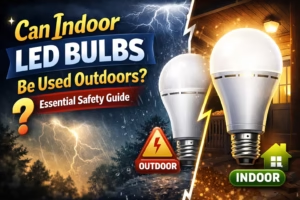
Every home or business needs good lighting, both inside and outside. As LED bulbs become more popular, many people wonder if they can use their indoor LED bulbs outdoors. The answer is not always simple. It depends on the type of bulb, where you want to use it, and the conditions outside. Using the wrong bulb can lead to short lifespans, safety problems, or poor lighting. If you want to save money, energy, and avoid hassle, it is important to understand the differences between indoor and outdoor LED bulbs. This article will help you understand when and how you can use indoor LED bulbs outside, what risks you might face, and how to choose the right option for your needs.
Understanding Indoor Led Bulbs
Indoor LED bulbs are designed for use inside the home or building. They are made to work in places with stable temperature, low humidity, and protection from rain or snow. Indoor LEDs are popular because they use less energy, last longer than old bulbs, and offer many color choices.
Most indoor LEDs come in standard shapes like A19 (similar to a regular light bulb), BR30 (used for ceiling lights), or decorative shapes for lamps and chandeliers. They provide good light for reading, cooking, or relaxing. However, their design often does not include extra protection against water, dust, or big temperature changes.
Key Features Of Indoor Led Bulbs
- Energy efficiency: Use up to 80% less energy than traditional bulbs.
- Long lifespan: Many last 15,000 to 25,000 hours.
- Low heat output: Stay cool to the touch, making them safer indoors.
- Varied color temperatures: From warm yellow to cool white.
- No weatherproofing: Usually not sealed against moisture, dust, or bugs.
Common Uses For Indoor Leds
- Living rooms and bedrooms
- Kitchens and bathrooms (if not exposed to water)
- Offices and commercial spaces
- Decorative fixtures (table lamps, floor lamps)
What Makes Outdoor Led Bulbs Different?
Outdoor LED bulbs are specially made for the challenges of outside environments. They are built to handle rain, wind, dust, snow, and big changes in temperature. The main difference is in their construction and safety ratings.
Key Features Of Outdoor Led Bulbs
- Weather-resistant: Sealed or coated to block water and dust.
- Rugged materials: Often use strong plastic or metal.
- Wide temperature range: Can work in hot summers and cold winters.
- UV protection: Some bulbs have covers that block sunlight damage.
- Safety ratings: Have clear labels, like “wet rated” or “damp rated”.
Typical Outdoor Led Applications
- Porch and patio lights
- Security and flood lights
- Garden and landscape lighting
- Garage and driveway lights
- Commercial exteriors
Outdoor LEDs are tested and certified to work safely in tough weather. They reduce risk of short circuits, corrosion, and even fires.
Safety Ratings: Damp Rated Vs. Wet Rated
When you shop for LED bulbs, you may notice labels like “damp rated” or “wet rated.” These ratings show where a bulb can be safely used. Understanding them is key before using any LED bulb outdoors.
Damp Rated
- Safe for places with moisture but no direct water contact.
- Examples: Covered patios, bathrooms, or laundry rooms.
- Not for use where rain or snow can fall directly on the bulb.
Wet Rated
- Safe for areas with direct exposure to water.
- Examples: Open outdoor fixtures, exposed garden lights.
- Can handle rain, snow, and even power washing.
Indoor-only bulbs have no such rating, so they should not be used where moisture is present.
Can Indoor Led Bulbs Be Used Outdoors?
In most cases, indoor LED bulbs are not designed for outdoor use. The main risks are water damage, quick aging, and safety hazards. However, there are some exceptions. The answer depends on how protected your outdoor fixture is and the local climate.
When It Might Be Possible
- Enclosed, Sealed Fixtures: If your outdoor light fixture is completely sealed against water (for example, with a tight glass cover), some indoor bulbs may work.
- Mild, Dry Climates: In places with little rain or humidity, an indoor bulb in a covered area could last for a while.
- Short-Term Use: If you need a quick, temporary fix, an indoor bulb may work in a pinch, but it is not a long-term solution.
When It Is Not Safe
- Open Fixtures: If the bulb is exposed to rain, snow, or fog, using an indoor bulb is risky.
- Extreme Temperatures: Indoor LEDs may fail in very hot or cold weather.
- High Humidity: Moisture can get inside the bulb and damage the electronics.
Main Risks Of Using Indoor Led Bulbs Outside
Using indoor LED bulbs in the wrong place can lead to several problems:
- Short Circuiting: Water can reach the bulb’s electronics, causing sparks or fire.
- Corrosion: Moisture causes the metal parts inside the bulb to rust.
- Reduced Lifespan: The bulb may die quickly due to weather stress.
- Voided Warranty: Manufacturers often refuse to replace bulbs used incorrectly.
- Poor Light Quality: Humid or cold air can cause flickering or dim light.
- Electrical Hazards: Faulty bulbs can trip breakers or damage your home wiring.
Many people do not realize that even a small gap in a fixture can let in enough moisture to ruin an indoor bulb. Always check both the bulb and the fixture for suitable ratings.
How To Check If Your Fixture Is Suitable
Not all outdoor fixtures are the same. Some offer much better protection than others. Here is how to judge if your fixture could support an indoor bulb:
- Fully enclosed: Has a gasket or rubber seal to stop water and bugs.
- Covered: Roof or awning keeps direct rain off, but air and moisture can still get in.
- Exposed: No cover; the bulb is open to all weather.
If your fixture is fully enclosed and you live in a dry climate, using an indoor bulb might be safe. But if the fixture is open or only lightly covered, always use a proper outdoor bulb.
Comparison: Indoor Vs. Outdoor Led Bulbs
It helps to see the main differences side by side. Here is a direct comparison:
| Feature | Indoor LED Bulb | Outdoor LED Bulb |
|---|---|---|
| Weatherproofing | None | Yes (sealed, coated) |
| Temperature Range | 0°C to 40°C (32°F to 104°F) | -30°C to 45°C (-22°F to 113°F) |
| Lifespan Outside | Much shorter | Full rated life |
| Moisture Resistance | Low | High |
| Warranty Validity | No (if used outside) | Yes |
As shown, indoor bulbs lack key protections needed for safe, long-lasting outdoor use.
How To Choose The Right Outdoor Led Bulb
If you want your outdoor lighting to work well and last long, it is important to buy the correct type of bulb. Here are the key factors to consider:
1. Check The Safety Rating
Look for “damp rated” or “wet rated” on the packaging. For open fixtures, only use “wet rated” bulbs.
2. Pick The Right Brightness
Outdoor areas usually need brighter bulbs than indoor spaces. Look for bulbs with 800-1600 lumens for porches, and 2000+ lumens for security or flood lights.
3. Choose The Correct Color
- Warm white (2700K-3000K): Good for patios, decks, or relaxing spaces.
- Cool white (4000K-5000K): Best for driveways, security, or work areas.
4. Match The Bulb Shape And Size
Outdoor fixtures often use PAR or BR shapes for better light spread and weather protection.
5. Energy Efficiency
Select bulbs with Energy Star or similar certifications for best savings.
6. Consider Smart Features
Some outdoor LEDs offer smart controls, like remote operation or motion sensors.
7. Uv And Bug-resistant Options
Special coatings can keep bugs away and prevent yellowing from sun exposure.
8. Check Compatibility
Not all LEDs work with dimmers or certain fixtures. Always check the package for restrictions.
How To Tell If A Bulb Is Rated For Outdoor Use
Sometimes it is hard to tell if a bulb is suitable for outdoors. Here is how to check:
- Look at the box: Words like “outdoor use,” “wet rated,” or “damp rated” must be present.
- UL or ETL marking: Check for these safety marks plus the correct rating.
- Ask the seller: If unsure, ask for a data sheet or proof of rating.
- Check online: Manufacturer websites often list full details.
If none of these are present, do not use the bulb outside.
Practical Examples: What Can Go Wrong
It is easy to think, “It will be fine for a while.” But real-life examples show why indoor bulbs often fail outdoors:
- Example 1: An indoor LED in an open porch fixture started flickering after one rainstorm. Water got inside, shorting the circuit.
- Example 2: Someone used an indoor bulb in a garden lamp. After one winter, the bulb’s base corroded, and the glass turned cloudy.
- Example 3: A homeowner installed indoor LEDs in a damp-rated bathroom. The bulbs worked, but in an open garage, they failed within weeks.
Even if a bulb works at first, it often does not last, and there are real safety risks.
Cost And Efficiency: Is It Worth The Risk?
Many people use indoor LEDs outside to save money. But what is the real cost?
Upfront Savings
Indoor LEDs are often $1-$2 cheaper per bulb than outdoor-rated options.
Long-term Costs
However, if an indoor bulb fails quickly, you need to replace it more often. Also, water damage or electrical problems can cost much more than the price of the bulb.
Efficiency Loss
Indoor LEDs may use more power if they overheat or get wet, cutting down on their efficiency.
Warranty Voided
If a bulb fails outside and you try to claim the warranty, most brands will reject your claim if the bulb was not used as intended.
| Scenario | Cost per Year (Est.) |
|---|---|
| Indoor LED used outdoors | $10-$30 (replacements, repairs) |
| Outdoor-rated LED | $3-$5 (lasts longer, fewer replacements) |
In the long run, using the correct outdoor bulb saves both money and trouble.
Common Myths About Leds And Outdoor Use
There are many misunderstandings about LEDs and outdoor lighting. Let’s clear up a few:
“all Led Bulbs Are Waterproof.”
Not true. Only those labeled for outdoor or wet locations have the necessary protection.
“indoor Bulbs Are Fine In Mild Weather.”
Even without rain, humidity, insects, and dust can cause problems over time.
“any Fixture With A Cover Is Safe For Indoor Bulbs.”
Covers may not fully seal out moisture, especially after years of use.
“leds Do Not Get Damaged By Cold.”
Some indoor LEDs may not start well or will dim in freezing weather.
“using A Bulb For A Short Time Is Safe.”
Even a quick rain or a cold night can damage an unprotected bulb.

Tips To Improve Outdoor Lighting Safety
If you want to get the best from your outdoor lights, follow these practical tips:
- Always use outdoor-rated bulbs in open or damp places.
- Replace old fixtures if they are cracked or do not seal properly.
- Check bulbs regularly for signs of water inside or rust on the base.
- Install bulbs correctly—do not force them, as cracks allow water in.
- Store spare bulbs in a dry, cool place.
- Upgrade to smart controls for better security and convenience.
- Read the warranty—know what is covered before you buy.
Many new outdoor bulbs also offer features like motion sensing or adjustable color, making your space safer and more comfortable.
What To Do If You Already Used An Indoor Bulb Outside
If you discover you have been using an indoor LED outdoors, take these steps:
- Inspect the bulb: Look for signs of fogging, rust, or flickering.
- Turn off power before replacing the bulb.
- Replace with a wet- or damp-rated LED as soon as possible.
- Check the fixture for water damage or corrosion.
- Do not reuse the indoor bulb—it may already be damaged.
Real-world Data: Led Failure Rates
Studies show that indoor LED bulbs used outside can fail up to 80% faster than those used in proper locations. For example, one test found that indoor bulbs lasted only 2-3 months in wet outdoor fixtures, while outdoor-rated LEDs lasted over 2 years.
| Bulb Type | Average Lifespan (Outdoors) |
|---|---|
| Indoor LED | 2-4 months |
| Outdoor LED | 24-36 months |
This data shows that buying the right bulb is a smart investment.
When To Call A Professional
Most homeowners can replace bulbs and check fixtures themselves. But if you see any of these signs, it is best to get help:
- Frequent tripping of circuit breakers
- Burning smell or smoke
- Water pooling inside fixtures
- Unusual buzzing or popping sounds
An electrician can check for hidden problems and make sure your outdoor lighting is safe.
Best Outdoor Led Bulbs To Consider
If you are searching for the top-rated outdoor bulbs, many trusted brands offer reliable products. Look for bulbs with clear wet or damp ratings, and read customer reviews for performance in your climate. For a helpful guide, see this list of the best outdoor LED lights for 2026.
Environmental Impact
Using proper outdoor LED bulbs also helps the environment. Outdoor-rated LEDs last longer, so you throw away fewer bulbs. They also use less electricity, which cuts down on pollution from power plants. Some outdoor LEDs are even made from recycled materials.

Final Advice
Trying to save a little money by using indoor LED bulbs outside almost always leads to bigger problems later. From water damage to safety hazards and wasted energy, the risks are not worth it. Modern outdoor LED bulbs are affordable, reliable, and designed for all kinds of weather.
They help you avoid repairs and give you peace of mind. When upgrading your lighting, always match the bulb to the job, and read labels carefully. If you have doubts, choose the safer option—an outdoor-rated LED.
For deeper technical details about lighting standards and certifications, you can visit the Wikipedia page on LED lamps.
Frequently Asked Questions
Can I Use An Indoor Led Bulb On A Covered Porch?
If your porch fixture is fully enclosed and well-sealed, you might use an indoor bulb for a short time. However, for long-term safety and performance, it is better to use a damp- or wet-rated bulb.
What Happens If Water Gets Inside An Indoor Led Bulb?
Water can short out the electronics inside the bulb, leading to flickering, quick failure, or even electrical hazards like sparks and fire. Always replace any bulb that shows signs of water damage.
Are All Outdoor Led Bulbs More Expensive Than Indoor Ones?
Outdoor-rated LEDs often cost a little more because of the extra materials and testing. However, they last much longer and are safer, so you save money over time.
Can I Use Indoor Led Bulbs In A Garage?
If your garage is dry and the fixtures are protected, indoor bulbs can work. However, garages can get humid or cold, so damp-rated bulbs are a safer choice.
How Can I Tell If My Led Bulb Is Safe For Outdoor Use?
Check the packaging for words like “outdoor,” “wet rated,” or “damp rated. ” You can also look for UL or ETL safety marks. If unsure, ask the seller or check the manufacturer’s website.
Choosing the right bulb for your outdoor space is not just about light—it is about safety, savings, and peace of mind. Always use the right tool for the job, and your home will be brighter and safer for years to come.