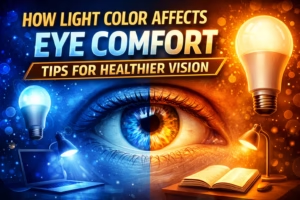
How Light Color Affects Eye Comfort
Have you ever felt tired eyes after staring at a screen or sitting under bright lights? Many people notice their eyes feel strained or uncomfortable, but few realize that the color of light is a big reason. Whether at home, in an office, or using digital devices, the type of light around you can make a huge difference. Different light colors do more than change the mood of a room—they directly affect how comfortable your eyes feel, how well you sleep, and even your productivity during the day.
Understanding how light color impacts eye comfort is important for everyone. Choosing the right lighting can help reduce headaches, dry eyes, and even long-term vision problems. This is especially true as we spend more time indoors, surrounded by artificial lights and screens.
The science behind light and the eye is not as simple as “brighter is better. ” The color temperature, brightness, and even the source of light all play a role.
This guide will explain what light color really means, how it interacts with your eyes, and what practical choices you can make for better eye comfort. You’ll discover common mistakes, non-obvious tips, and reliable advice based on real studies and expert recommendations.
If you want to improve your eye comfort at work, school, or home, you’ll find everything you need right here.
What Does Light Color Mean?
When we talk about light color, we’re really talking about the color temperature of the light source. Color temperature is measured in Kelvin (K). Light with a lower Kelvin number looks warm and yellowish (like candlelight). Light with a higher Kelvin number looks cool and bluish (like a clear sky at noon).
Here’s a quick breakdown:
- Warm white (2700K-3000K): Looks yellow/orange, cozy, like traditional incandescent bulbs.
- Neutral white (3500K-4100K): More balanced, less yellow, often used in offices.
- Cool white (5000K-6500K): Bluish-white, similar to daylight, often used in hospitals or task lighting.
The color rendering index (CRI) is another term you may see. It measures how accurately a light source shows colors, but CRI is less important for eye comfort than color temperature.
Why Does Color Temperature Matter?
Your eyes react differently to warm and cool light. Warm light is softer and often feels relaxing, while cool light is crisp and can feel energizing. But too much of the wrong light can lead to eye strain, fatigue, and even disrupt your sleep cycle.
How Eyes Respond To Different Light Colors
Human eyes evolved to adapt to natural sunlight, which changes color throughout the day. Morning and evening sunlight is warmer (lower Kelvin), while midday sun is cooler and more blue (higher Kelvin). Our brains use these signals to regulate the circadian rhythm—the body’s natural clock.
Blue Light And Your Eyes
Blue light (found in cool white light and screens) is a big part of the conversation. It’s not just about visible light—blue light has more energy and can penetrate deeper into the eye. Too much blue light, especially at night, can:
- Suppress melatonin, a sleep hormone, making it harder to fall asleep.
- Cause digital eye strain (sometimes called computer vision syndrome).
- Increase the risk of macular degeneration over many years (still debated).
Warm Light And Eye Comfort
On the other hand, warm light (yellow/orange) is easier on the eyes, especially in the evening. It helps your brain relax, reduces glare, and doesn’t interfere with your sleep cycle as much as blue light does.
Practical Example
Think of a cozy living room lamp (warm light) versus the harsh fluorescent lights in a supermarket (cool light). Most people feel more comfortable and relaxed in the warm-lit environment.
Scientific Studies On Light Color And Eye Strain
Multiple studies have tested how different light colors affect eye comfort, and the evidence is clear: color temperature makes a real difference.
- A 2018 study in the journal “Lighting Research & Technology” found that cool white light (above 4000K) increased eye strain and fatigue in office workers compared to warm or neutral light.
- Research from the American Academy of Ophthalmology shows blue light from screens increases blinking rates, leads to dry eyes, and makes it harder to focus after long exposure.
- Studies also show that using warmer light in the evening improves sleep quality and reduces headaches.
But it’s not just about screens. The type of overhead lighting you use at home or work also matters. Many people experience fewer symptoms of eye discomfort when they switch to bulbs in the 2700K-3500K range for general use.
Common Light Sources And Their Colors
Here’s a practical overview of where you’ll find different light colors and what that means for your eyes:
| Light Source | Color Temperature | Typical Use |
|---|---|---|
| Incandescent Bulb | 2700K | Homes, cozy spaces |
| LED Bulb (Warm White) | 2700-3000K | Bedrooms, living rooms |
| LED Bulb (Cool White) | 5000-6500K | Offices, hospitals, garages |
| Fluorescent Tube | 4000-6500K | Commercial, schools |
| Smartphone/Computer Screen | 6500K+ | All day use |
If you want eye comfort at home, most experts suggest using warm white LED bulbs. For task lighting, like reading or cooking, a slightly cooler white can be useful.
For more guidance on choosing the best LED bulbs for eye comfort, check out the in-depth review on Best LED Bulbs for Eye Comfort.
The Impact Of Light Color On Different Age Groups
Light affects people differently depending on their age.
Children And Teenagers
Young eyes are more sensitive to blue light. Kids and teens are now exposed to more screen time than ever. Too much blue light can cause:
- Tired eyes after homework or gaming
- Disrupted sleep patterns
- More headaches
Parents can help by encouraging warm lighting in bedrooms and setting device screens to “night mode” in the evening.
Adults
Adults often spend hours under office lighting or in front of screens. Common problems include:
- Dry eyes
- Trouble focusing
- Difficulty sleeping if exposed to blue light at night
Switching to warmer bulbs for home use and using screen filters can help.
Seniors
As people age, their eyes become less efficient at blocking blue light. Too much exposure can make glare and discomfort worse, especially for those with cataracts or other eye conditions. Warmer light is usually more comfortable and safer.
Color Temperature And Circadian Rhythm
Your circadian rhythm is your body’s natural 24-hour clock. Light color is a powerful signal for this rhythm.
- Cool, blue-rich light in the morning helps you wake up and be alert.
- Warm, yellow/orange light in the evening signals your brain that it’s time to wind down.
When your light environment doesn’t match the time of day, your sleep, mood, and energy levels can suffer. For example, using cool white bulbs late at night can make it harder to fall asleep.
Light Color And Productivity
The right color of light can boost productivity—if you use it correctly.
- Cool white light (4000K-5000K) can improve alertness and focus during working hours.
- But too much cool light, especially in the late afternoon or evening, can cause headaches and tired eyes.
A study by the Journal of Clinical Sleep Medicine showed that switching office lighting from 6500K to 4000K led to a 20% drop in reported eye strain and improved concentration levels.
Eye Comfort And Screen Use
Screens are now a huge part of daily life. Most screens use backlights with a cool color temperature (often above 6500K). This is why many people feel eye fatigue after a day of work or study.
Common Mistakes With Screens
- Brightness too high: Many people keep their screens too bright for the room.
- Sitting too close: Closer screens expose your eyes to more blue light.
- Ignoring night mode: Modern devices have “night mode” or “blue light filter,” but many users don’t turn them on.
Simple Tips For Reducing Discomfort
- Use night mode after sunset to warm up the screen color.
- Reduce screen brightness to match the room.
- Take a break every 20 minutes to look at something 20 feet away for 20 seconds.
If you want to know which LED bulbs are best for eye comfort when working near screens, don’t miss the reviews and tips on Best LED Bulbs for Eye Comfort.

Choosing The Right Light Color For Every Room
Not all rooms need the same light color. Here’s a guide to what works best:
| Room | Recommended Color Temperature | Why? |
|---|---|---|
| Bedroom | 2700K-3000K | Promotes relaxation, better sleep |
| Living Room | 2700K-3500K | Comfortable for socializing, watching TV |
| Kitchen | 3500K-4000K | Brighter for visibility, still easy on eyes |
| Bathroom | 3500K-5000K | Crisp, but avoid at night |
| Office/Study | 4000K-5000K | Boosts focus, energy |
A common mistake is using the same bulb type everywhere. Try different color temperatures to see what feels best in each space.
Myths And Misunderstandings About Light Color
Many people believe that brighter is always better or that all LED lights are the same. Here are some common myths:
- Myth 1: Cool white light is always better for reading.
*Fact:* Cool white can cause glare and eye fatigue if too strong. Warmer light may be better for long reading sessions.
- Myth 2: Blue light is always bad.
*Fact:* Some blue light during the day is healthy and keeps you alert. The problem is too much at night.
- Myth 3: All LEDs are harsh on the eyes.
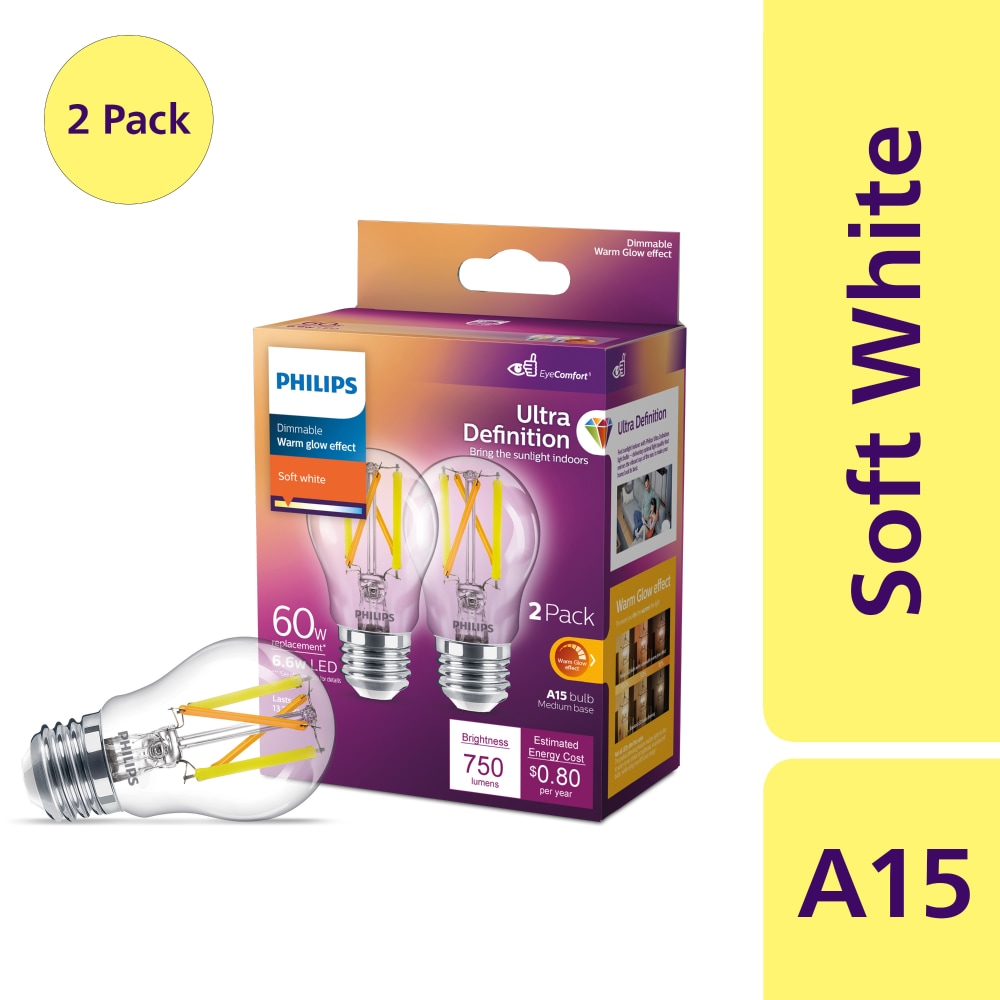
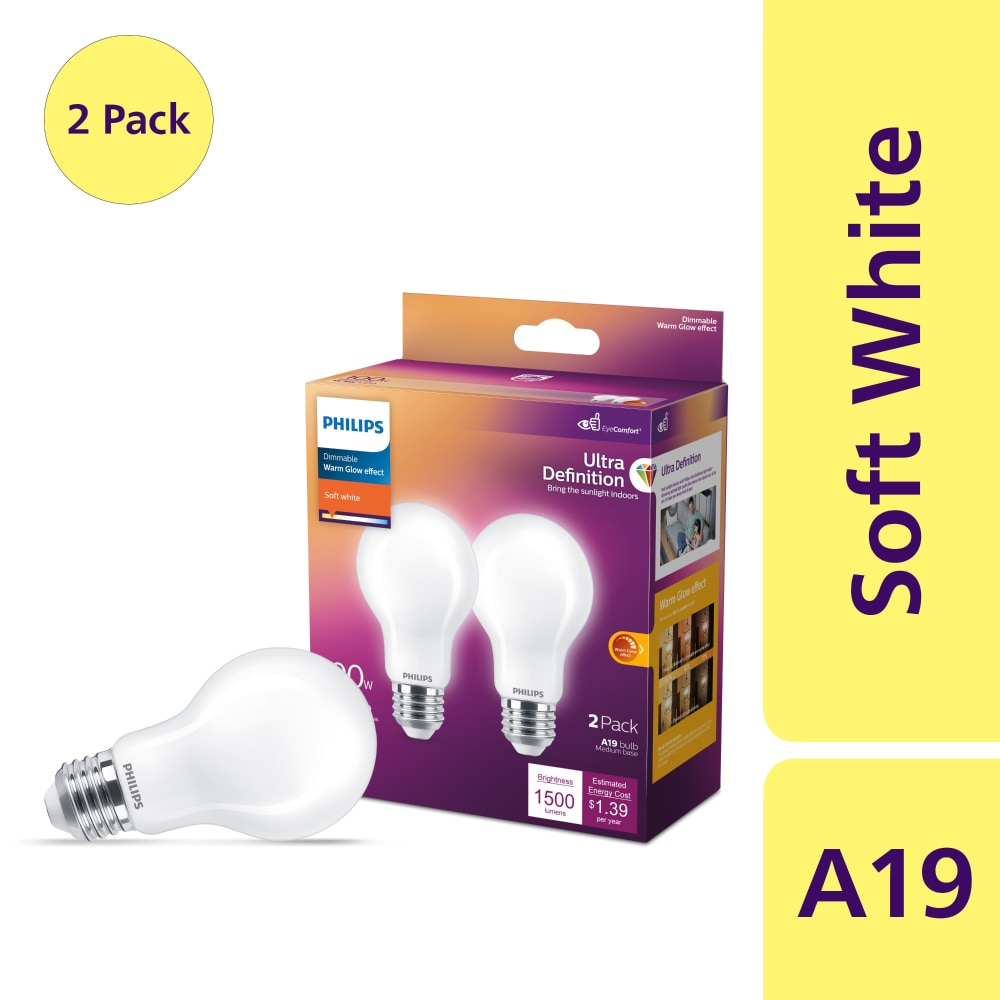
*Fact:* Newer LED bulbs come in a range of color temperatures. Choosing a “soft white” LED is easy and comfortable.
To avoid eye discomfort, always check the Kelvin rating on bulb packaging. For reliable recommendations, see the detailed guide at Best LED Bulbs for Eye Comfort.
The Role Of Glare And Flicker
Glare and flicker are two less obvious factors that also affect eye comfort. Even with the right color, a light that flickers or produces strong glare can make eyes feel tired or sore.
Glare
Glare happens when a light source is too bright compared to the rest of the room. This can happen with overhead lights, shiny surfaces, or screens.
- Use lampshades or diffusers to soften light.
- Position lights so they don’t reflect directly into your eyes.
Flicker
Some cheaper LED and fluorescent lights flicker quickly, which is not always visible but can cause headaches or discomfort after a while. Choose high-quality bulbs labeled “flicker-free” for the best results.
Non-obvious Insights For Better Eye Comfort
Many people overlook these tips:
- Layer your lighting: Use a mix of overhead, task, and accent lighting. This lets you adjust brightness and color as needed.
- Consider wall color: Light-colored walls reflect more light, making a room feel brighter and possibly more uncomfortable under cool light. If your room has white walls, you might prefer warmer bulbs.
- Use timers or smart controls: Automatically change light color temperature through the day for better comfort and sleep.
Real-world Examples
- Home Office: Switching from 6500K “daylight” bulbs to 3500K “neutral white” bulbs reduced reports of headaches and eye strain for remote workers in a 2021 survey.
- Classrooms: Schools that replaced old fluorescent tubes (6500K) with new 4000K LEDs saw a 30% drop in students reporting tired eyes and improved test scores.
- Elderly Care Centers: Moving to 2700K warm white lighting in common areas helped residents feel calmer and improved sleep.
How To Test If Your Lighting Is Comfortable
- Try different bulbs: Swap out bulbs with different color temperatures and see how your eyes feel after an hour or two.
- Notice your sleep: If you have trouble falling asleep, try using only warm light after sunset for a week.
- Check reflections: Move lights to reduce glare on screens or shiny surfaces.
Choosing Bulbs: What Really Matters
When buying bulbs for eye comfort, consider:
- Color temperature (Kelvin): Choose 2700K-3500K for relaxing spaces, 4000K+ for tasks.
- Brightness (lumens): Too bright or too dim can both cause discomfort.
- CRI (Color Rendering Index): 80+ is good, but not as important as color temperature for eye comfort.
- Flicker: Buy bulbs labeled “flicker-free.”
- Dimmable: If possible, pick bulbs you can dim to adjust for day and night.
Avoid common mistakes like buying the cheapest bulbs or using only one type everywhere.
For a side-by-side comparison of popular LED bulbs for eye comfort, see the expert picks at Best LED Bulbs for Eye Comfort.
How Light Color Interacts With Other Factors
Light color isn’t the only thing that matters. Your eye comfort also depends on:
- Ambient lighting: The overall amount of light in the room.
- Contrast: Too much contrast between the screen and background increases strain.
- Personal sensitivity: Some people are more sensitive to cool or warm light.
You may need to experiment to find your personal comfort zone.
Practical Lighting Tips For Different Activities
Reading
- Use a warm white bulb (2700K-3000K) to reduce glare and eye fatigue.
- Position the light behind and above your shoulder, not directly in your eyes.
Cooking
- Use a neutral white bulb (3500K-4000K) for clear visibility without harshness.
Working On A Computer
- Use a cool white bulb (4000K-5000K) during the day, then switch to warmer light in the evening.
- Use a desk lamp with an adjustable color temperature if possible.
Watching Tv
- Dim overhead lights and use a soft white lamp behind the TV to reduce contrast and eye strain.
Light Color And Eye Health Conditions
Some people have special eye conditions that make light color even more important.
- Migraines: Cool, flickering lights can trigger headaches. Warm, stable light is best.
- Dry eyes: Too much blue light increases evaporation. Try warmer, softer lighting.
- Cataracts: Older eyes are more sensitive to glare. Use diffused, warm lighting and avoid high-contrast, cool light.
If you have a diagnosed eye condition, ask your eye doctor for specific lighting recommendations.
The Future Of Lighting: Smart And Adaptive Lights
New technology lets you control light color with your phone or voice. Smart bulbs can change from cool to warm automatically, matching your daily schedule. Some even adjust brightness based on the amount of sunlight in the room.
Benefits of smart lighting:
- Better eye comfort all day
- Improved sleep patterns
- Lower energy bills
Brands like Philips Hue and LIFX offer bulbs that let you fine-tune color temperature at any time.
Environmental And Health Impacts
Choosing the right light color is good for your eyes, but it can also be better for the environment and your health. Warmer, lower-wattage bulbs use less energy, last longer, and contain fewer hazardous materials than old fluorescent or halogen bulbs.
For more on the environmental benefits of LED lighting, see the guide from the U.S. Department of Energy on LED Lighting.
Frequently Asked Questions
What Is The Best Light Color For Eye Comfort?
For most people, a warm white light (2700K-3500K) is best for relaxing, reading, and evening activities. Use neutral or cool white (4000K-5000K) for work or study during the day, but switch to warmer light in the evening to protect your sleep cycle.
Does Blue Light Really Damage Your Eyes?
Current research shows that blue light from screens and cool bulbs can cause eye strain and disrupt sleep, but there’s no strong evidence it causes permanent damage at normal exposure levels. Still, it’s wise to limit blue light at night for better comfort and rest.
Can Changing My Bulbs Help With Headaches?
Yes, switching to warm, flicker-free bulbs can reduce headaches, especially for people sensitive to glare or flicker. Avoid very cool white light and low-quality bulbs, which can make symptoms worse.
Is Natural Light Always Better For My Eyes?
Natural light is usually comfortable, but direct sunlight can be too bright and cause glare. Use curtains or shades to soften sunlight, and combine it with artificial lights set to a comfortable color temperature.
How Do I Know If My Lighting Is Causing Eye Strain?
Common signs include dry, tired eyes, headaches, trouble focusing, and difficulty sleeping. If these symptoms improve after changing your lighting, that’s a clear sign your old setup was causing problems.
Eye comfort is about more than just brightness—it’s about the color, quality, and source of your lighting. By understanding how light color affects your eyes and making a few simple changes, you can improve comfort, focus, and even your quality of sleep. Start by experimenting with warmer bulbs in your home, using night mode on your screens, and paying attention to how your eyes feel in different settings. Small changes can make a big difference for your vision and well-being.