Choosing the right light bulb might seem like a small detail, but it can completely change the feel of your home. Imagine walking into a room where the light is too harsh or too dim—uncomfortable, right?
You want your spaces to feel just right, whether it’s cozy and warm for relaxing or bright and clear for working. But with so many options out there, how do you know which bulb fits each room perfectly? You’ll discover simple tips to pick the ideal light bulb for every space in your home.
By the end, you’ll feel confident making choices that brighten your rooms—and your mood—in the best possible way. Keep reading to light up your home like a pro!
Light Bulb Types
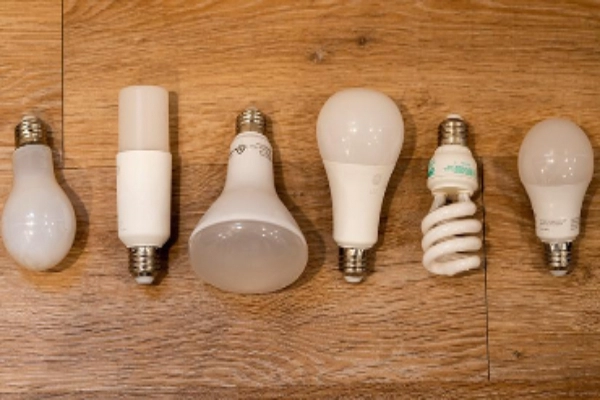
Choosing the right light bulb starts with understanding the different types available. Each bulb type has unique features that affect brightness, energy use, and lifespan. Knowing these differences helps pick the best bulb for every room.
Incandescent Bulbs
Incandescent bulbs produce warm, soft light. They work by heating a metal filament until it glows. These bulbs are affordable but use more energy and last a short time. They suit cozy spaces like bedrooms and living rooms.
Led Bulbs
LED bulbs save energy and last very long. They use light-emitting diodes to create bright light. LEDs come in many colors and brightness levels. Perfect for kitchens, bathrooms, and work areas where clear light is needed.
Cfl Bulbs
Compact Fluorescent Lamps (CFL) use less energy than incandescent bulbs. They provide bright, cool light and last longer. CFLs work well in hallways and offices but take a moment to reach full brightness.
Halogen Bulbs
Halogen bulbs are a type of incandescent bulb with better efficiency. They shine bright, crisp light and work well for task lighting. Use them in reading lamps or spotlights for clear, focused illumination.
Brightness And Lumens
Brightness is one of the key factors to consider when choosing light bulbs for your home. It affects how well you can see and the overall mood of a room. Lumens measure brightness, showing how much light a bulb produces. Understanding lumens helps pick the right bulb for each space.
Measuring Brightness
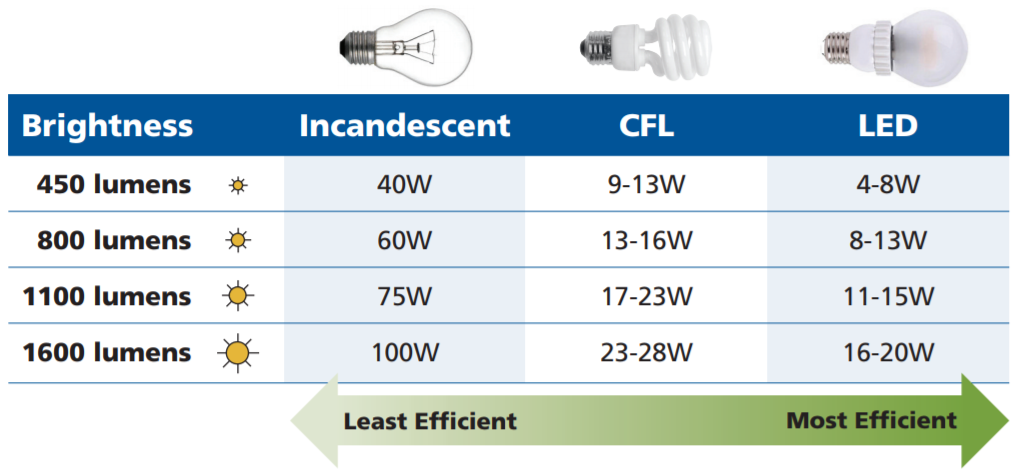
Brightness is measured in lumens, not watts. Watts show energy use, not light output. Higher lumens mean a brighter light. A bulb with 800 lumens is about as bright as a traditional 60-watt incandescent bulb. Check the packaging for the lumen number. It helps compare bulbs easily.
Choosing Lumens For Rooms
Different rooms need different brightness levels. For example, living rooms need softer light around 1,500 to 3,000 lumens. Kitchens and workspaces require brighter light, about 4,000 to 8,000 lumens. Bedrooms do well with lower brightness, around 1,000 to 2,000 lumens. Adjust based on room size and purpose.
Color Temperature
Color temperature plays a key role in setting the mood and function of any room. It refers to the warmth or coolness of the light emitted by a bulb. Measured in Kelvins (K), it ranges from warm yellowish tones to cool bluish hues. Choosing the right color temperature enhances comfort and productivity in your home.
Warm Light For Cozy Spaces
Warm light bulbs have a color temperature between 2700K and 3000K. They emit a soft, yellow glow that creates a relaxing atmosphere. Use warm light in bedrooms, living rooms, and dining areas to make spaces feel inviting and comfortable. This light works well with warm-colored walls and wooden furniture.
Cool Light For Work Areas
Cool light bulbs range from 3500K to 4100K. They produce a bright, white light that helps improve focus and alertness. Ideal for kitchens, home offices, and garages, this light reduces eye strain during tasks. Cool light gives a clean and modern look to rooms where you need to stay sharp.
Daylight Options
Daylight bulbs have a color temperature between 5000K and 6500K. They mimic natural sunlight and offer the highest brightness. Use daylight bulbs in bathrooms, basements, or rooms with little natural light. These bulbs bring energy and clarity, making colors appear true and vivid.
Energy Efficiency
Energy efficiency is key when selecting light bulbs for each room. Choosing bulbs that use less electricity saves money. It also helps protect the environment by reducing energy waste.
Different bulbs consume energy at varying rates. Understanding their energy use and lifespan helps make smart choices. This section explains how to compare bulbs based on these factors.
Comparing Energy Use
LED bulbs use the least energy compared to others. They consume up to 80% less power than incandescent bulbs. CFL bulbs also save energy but are less efficient than LEDs. Incandescent bulbs use the most electricity and waste energy as heat. Choosing bulbs with lower wattage but similar brightness reduces energy bills.
Lifespan Of Bulbs
LED bulbs last the longest, often over 15,000 hours. CFL bulbs typically last around 8,000 hours. Incandescent bulbs have the shortest lifespan, about 1,000 hours. Longer-lasting bulbs need fewer replacements, saving money and reducing waste. Picking bulbs with a long lifespan fits well in rooms where changing bulbs is hard.
Room-by-room Recommendations
Choosing the right light bulb depends on the room’s function and mood. Each space needs specific lighting to feel comfortable and look inviting. Understanding the best light bulb type and brightness for each room helps create a perfect atmosphere. Below are simple, room-by-room recommendations to guide your choices.
Living Room Lighting
Use warm white bulbs in the living room. They create a cozy and relaxing vibe. Aim for bulbs with a color temperature around 2700K to 3000K. Choose bulbs that provide soft, even light without glare. Consider dimmable options to adjust brightness for different activities.
Kitchen And Dining Areas
Bright, cool white bulbs work best in kitchens and dining rooms. They help you see food clearly and stay alert while cooking. Bulbs with a color temperature between 3500K and 4100K are ideal. Use focused task lighting over countertops and dining tables to improve visibility.
Bedrooms
Bedrooms need calming and warm light to promote rest. Choose bulbs with a color temperature near 2700K for a soft glow. Avoid harsh or very bright bulbs that can disturb sleep. Consider bulbs with adjustable brightness to create a relaxing environment before bedtime.
Bathrooms
Bright, natural white bulbs suit bathroom lighting best. They provide clear, true colors for grooming tasks. Bulbs with a color temperature between 4000K and 5000K are good choices. Use moisture-resistant bulbs and fixtures designed for bathroom use for safety.
Home Office Lighting
Home offices require bright, cool light to boost focus and reduce eye strain. Select bulbs with a color temperature between 4000K and 5000K. Choose LED bulbs with good brightness and a high color rendering index (CRI) for clear visibility. Position lighting to avoid screen glare and shadows.
Special Features
Special features in light bulbs offer more than just illumination. They bring convenience, mood setting, and customization to your space. Choosing bulbs with the right features can transform how each room feels and functions. Consider these options to enhance your lighting experience.
Smart Bulbs And Controls
Smart bulbs connect to your home network. You control them using your phone or voice assistant. These bulbs let you turn lights on or off remotely. Set schedules for automatic lighting. Some models adjust brightness based on time of day. Smart bulbs save energy by using only what you need. They fit well in living rooms and bedrooms for flexible lighting.
Dimmable Options
Dimmable bulbs let you adjust light intensity. Choose soft light for relaxing or bright light for tasks. They work with most dimmer switches. Dimming reduces energy use and extends bulb life. Use dimmable bulbs in dining rooms or bedrooms. They create cozy atmospheres for meals or rest. Check bulb packaging for dimmable compatibility before buying.
Color Changing Bulbs
Color changing bulbs offer multiple light colors. Change colors to match your mood or decor. Use warm tones for calm and cool tones for focus. Many models include preset scenes and effects. Control colors via remote or app. These bulbs bring fun and creativity to parties or playrooms. They add style and variety to any room.
Safety And Compatibility
Choosing the right light bulb means thinking about safety and compatibility. These factors protect your home and ensure your bulbs work well. Safety keeps your family safe from fire and electrical risks. Compatibility helps bulbs fit and perform properly in your fixtures.
Fixture Compatibility
Check the bulb base matches your fixture socket. Common bases include screw, bayonet, and pin types. Use bulbs with the correct wattage to avoid damage. Fixtures have a maximum wattage limit. Exceeding it can cause overheating or fire hazards. Some fixtures work only with specific bulb shapes or sizes. Always read the fixture label before buying bulbs.
Heat And Ventilation
Light bulbs produce heat during use. Some bulbs, like incandescent, get very hot. Others, like LEDs, stay cool. Poor ventilation traps heat and shortens bulb life. Use bulbs designed for enclosed fixtures if ventilation is limited. Avoid high-wattage bulbs in tight spaces to prevent heat build-up. Proper heat management keeps bulbs safe and lasting longer.
Disposal Tips
Dispose of bulbs carefully to protect the environment. CFL bulbs contain small amounts of mercury. Take them to recycling centers or special disposal points. LEDs and incandescent bulbs can go in regular trash, but recycling is better. Wrap bulbs in paper or plastic before throwing away. Safe disposal reduces pollution and harm to people and nature.
Frequently Asked Questions
How To Pick The Best Light Bulbs For Every Room?
Choose bulbs based on room function: soft warm light for bedrooms, bright cool light for kitchens and workspaces, and balanced light for living areas. Select energy-efficient LEDs with suitable brightness and color temperature to enhance each room’s ambiance and purpose.
How To Solve The Light Bulb Puzzle?
Solve the light bulb puzzle by threading the rope through the coils in a specific sequence. Pull, feed, and repeat steps carefully. Use logic and trial to free the rope or position bulbs correctly in grid-based puzzles. Watch tutorials for detailed strategies.
Is 60 Watt Or 40 Watt Better For A Living Room?
A 60-watt bulb provides brighter, more suitable lighting for living rooms. A 40-watt bulb works for smaller, cozier spaces. Choose based on room size and lighting needs.
Which Is Brighter, Cool White Or Daylight Led?
Daylight LEDs appear brighter than cool white due to their higher color temperature and more intense light output. Cool white is softer but still bright.
Conclusion
Choosing the right light bulb changes how your rooms feel and function. Consider brightness, color temperature, and energy use for each space. Soft, warm light suits bedrooms and living rooms best. Bright, cool light helps in kitchens and work areas.
Always match bulbs to your room’s purpose for comfort and style. A small choice makes a big difference in your home’s atmosphere. Take your time and pick bulbs that fit your daily needs well. This simple step improves both your lighting and mood.