When it comes to lighting your home or office, you might wonder which bulb truly shines brightest for your needs: LED, incandescent, or CFL? Each type has its own story, costs, and benefits that can affect your energy bills, the quality of light, and even your environmental footprint.
You want to make a smart choice—one that saves you money, lasts longer, and feels just right for your space. You’ll discover the key differences between these bulbs, why some are becoming outdated, and which option could be the perfect fit for you.
Keep reading to find out how the right bulb can brighten your world while keeping your wallet happy.
Energy Efficiency Comparison
Comparing energy efficiency helps choose the best bulb for your needs. LED, incandescent, and CFL bulbs use different amounts of power. Their lifespans vary widely. Light quality also differs, affecting your space’s comfort.
Power Consumption Levels
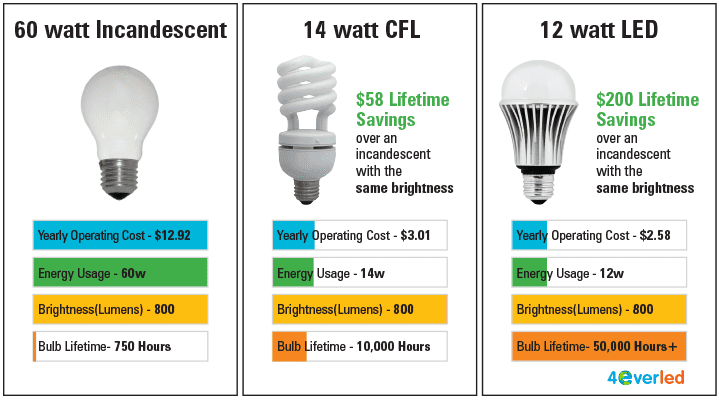
LED bulbs use the least electricity, saving up to 80% compared to incandescent bulbs. CFLs use about 70% less power than incandescent bulbs but more than LEDs. Incandescent bulbs consume the most power for the same brightness. Choosing LED lowers your energy bills significantly.
Lifespan Differences
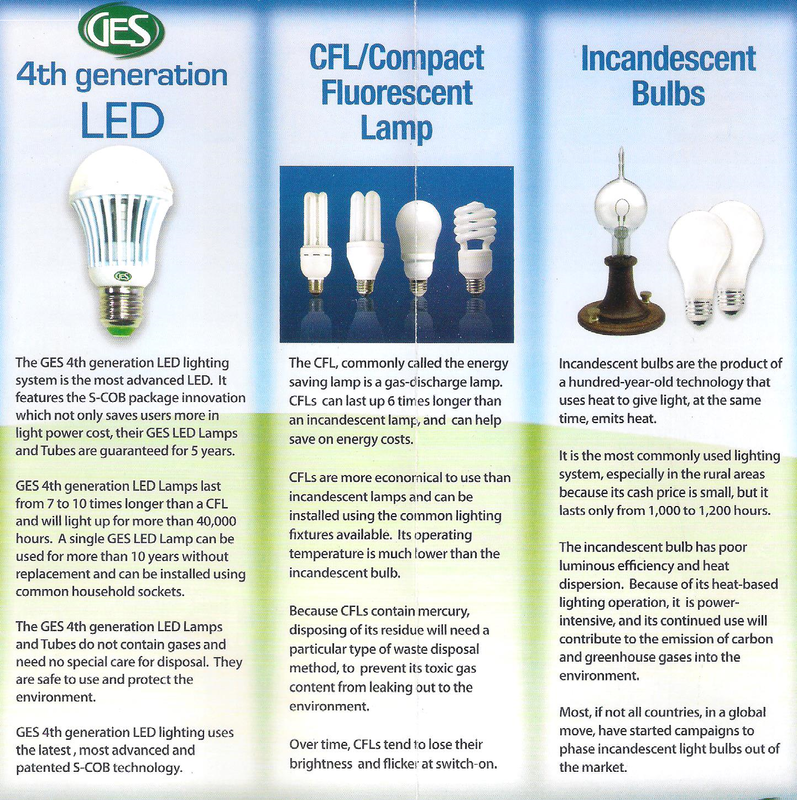
LED bulbs last the longest, often 15,000 to 25,000 hours. CFLs have a shorter lifespan, typically 8,000 to 10,000 hours. Incandescent bulbs last only about 1,000 hours. Replacing bulbs less often means fewer disruptions and less waste. LEDs offer the best durability over time.
Light Quality And Brightness
LED lights provide bright, clear light instantly. CFLs take a short time to warm up and reach full brightness. Incandescent bulbs give warm light but consume more energy. LEDs come in many color temperatures to suit different moods. Brightness from LEDs stays stable longer than other bulbs.
Cost Analysis
Analyzing the costs of LED, incandescent, and CFL bulbs helps in choosing the best option. Each type has different expenses over time. Understanding these costs saves money and energy.
Cost analysis covers the initial price, savings over time, and maintenance expenses. This breakdown clarifies which bulb is most economical for daily use.
Initial Purchase Price
Incandescent bulbs have the lowest upfront cost. CFL bulbs cost more than incandescent but less than LED bulbs. LED bulbs have the highest initial price but offer more value for money.
Long-term Savings
LED bulbs use the least energy, lowering electricity bills significantly. CFL bulbs save more energy than incandescent but less than LEDs. Incandescent bulbs consume the most power, leading to higher costs.
Replacement And Maintenance Costs
Incandescent bulbs need frequent replacement due to short lifespan. CFL bulbs last longer but contain mercury, requiring special disposal. LED bulbs have the longest lifespan and need fewer replacements, reducing maintenance costs.
Environmental Impact
The environmental impact of lighting choices affects our planet’s health. Different bulbs use various materials and energy, influencing pollution and waste. Understanding these impacts helps select better lighting options that protect nature and reduce harm.
Mercury Content And Disposal
Incandescent and LED bulbs contain no mercury. CFL bulbs have small amounts of mercury, a toxic metal. Broken CFLs can release mercury vapor, which harms health and environment. Special disposal is needed for CFLs to prevent mercury pollution. LEDs and incandescent bulbs can be thrown away with regular trash safely.
Carbon Footprint
LED bulbs use the least energy, cutting carbon emissions. CFLs use more energy than LEDs but less than incandescent bulbs. Incandescent bulbs consume the most electricity, creating higher carbon footprints. Lower energy use means fewer greenhouse gases released from power plants. Choosing LEDs helps reduce overall carbon emissions and fight climate change.
Recycling And Waste Management
Recycling lighting waste saves resources and lowers landfill problems. LEDs have recyclable parts but need special facilities. CFLs must be recycled properly to handle mercury safely. Incandescent bulbs are less recyclable due to their materials. Recycling programs vary by location. Proper disposal reduces toxic waste and helps recover valuable materials.
Performance In Different Settings
Lighting performance varies widely depending on the environment and usage patterns. Choosing the right bulb means understanding how LEDs, incandescent, and CFL bulbs behave in different settings. Each type has strengths and weaknesses that affect efficiency, lifespan, and light quality. This section explores these factors to help you make an informed choice.
Frequent On/off Usage
LED bulbs handle frequent switching very well. They turn on instantly without damage. Incandescent bulbs also tolerate on/off cycles but waste energy. CFL bulbs suffer the most. Their lifespan shortens with frequent switching. This makes LEDs the best option for areas with frequent use.
Cold And Hot Environments
LEDs perform reliably in cold and hot conditions. They maintain brightness and start quickly in low temperatures. Incandescent bulbs work fine but use more energy in cold. CFLs struggle in cold weather and take time to warm up. For outdoor or unheated spaces, LEDs offer the best performance.
Dimming And Color Temperature Options
LED bulbs provide excellent dimming capabilities and come in many color temperatures. This allows customization from warm to cool light. Incandescent bulbs dim smoothly but offer fewer color choices. CFLs have limited dimming options and can flicker. Choose LEDs for flexible lighting moods and better control.
Health And Safety Considerations
Health and safety are important when choosing light bulbs for your home or office. Different types of bulbs affect your well-being in various ways. Understanding these effects helps you make safer choices. Below are key health and safety points about LED, incandescent, and CFL bulbs.
Uv And Blue Light Emissions
Incandescent bulbs emit almost no UV rays but produce some heat. CFL bulbs emit low levels of UV radiation, which may affect sensitive skin. LEDs emit very little UV light, making them safer for long exposure. Blue light is higher in LEDs and CFLs than incandescent bulbs. Excessive blue light can cause eye strain and disrupt sleep patterns. Choosing bulbs with lower blue light levels reduces these risks.
Heat Generation
Incandescent bulbs produce a lot of heat, which can cause burns or fire hazards. CFLs generate less heat but still warm up during use. LEDs run much cooler, reducing the chance of burns or fire. Cooler bulbs are safer around children and pets. Lower heat output also helps save energy and keeps rooms comfortable.
Toxicity Risks
CFL bulbs contain small amounts of mercury, which is toxic if the bulb breaks. Proper disposal is essential to avoid environmental harm. LEDs and incandescent bulbs do not contain mercury. LEDs use safer materials, reducing health risks during use or disposal. Always handle bulbs carefully to prevent breakage and exposure to harmful substances.
Reasons For Incandescent Phase-out
Incandescent bulbs have been common for many years. Their phase-out is due to several important reasons. These reasons focus on energy use, government rules, and environmental goals. Understanding these helps explain the shift to newer lighting technologies like LED and CFL.
Government Regulations
Many governments set strict rules to reduce energy use. Incandescent bulbs use more electricity than LED or CFL bulbs. Laws now limit or ban the sale of incandescent bulbs. These rules push people to use more energy-efficient lights. The goal is to lower overall power consumption.
Energy Waste Concerns
Incandescent bulbs waste a lot of energy as heat. Only a small part of the energy creates light. This causes higher electricity bills for users. It also increases demand on power plants. Using LEDs or CFLs saves energy and money. This helps reduce energy waste across homes and businesses.
Environmental Policies
Burning fossil fuels for electricity harms the environment. Incandescent bulbs contribute to higher carbon emissions. Many countries have policies to cut greenhouse gases. Switching to energy-saving bulbs supports these policies. It helps protect air quality and slows climate change. Environmental goals encourage the use of cleaner lighting options.
When To Choose Cfl Over Led
Choosing between CFL and LED bulbs depends on your specific needs and circumstances. CFL bulbs still have situations where they can be a practical choice over LEDs. Understanding these cases helps in making the right decision for your lighting needs.
Cost-effective Options For Rare Use
CFL bulbs cost less upfront than LEDs. For spaces used very rarely, like storage rooms or basements, CFLs can be more budget-friendly. The energy savings from LEDs may not justify their higher price if the light is seldom on.
Compatibility With Existing Fixtures
CFLs often fit better in older fixtures designed for incandescent bulbs. Some LED bulbs may not work well with dimmer switches or enclosed fixtures. CFLs provide a good alternative when compatibility is a concern.
Availability And Accessibility
CFL bulbs are still widely available in many stores. In some areas, LEDs might be harder to find or more expensive. Choosing CFLs can be easier when access to LEDs is limited or when immediate replacement is needed.
Benefits Of Switching To Led
Switching to LED lighting offers many clear benefits over incandescent and CFL bulbs. LEDs save energy and reduce electricity bills. They last much longer, lowering replacement frequency and costs. LEDs also improve lighting quality and safety in homes and businesses. These advantages make LEDs a smart choice for modern lighting.
Instant Brightness
LED bulbs turn on instantly at full brightness. There is no delay or warm-up time. This feature is helpful in areas where immediate light is needed. Unlike CFLs, LEDs do not flicker or dim when switched on. Instant brightness improves convenience and safety in daily use.
Durability And Robustness
LEDs are solid-state lights, making them strong and durable. They resist shocks, vibrations, and drops better than incandescent and CFL bulbs. LEDs also handle frequent switching without damage. This robustness extends their lifespan and reduces maintenance costs. They perform well in various environments and conditions.
Wide Range Of Designs And Colors
LED technology allows many shapes, sizes, and color options. You can find LEDs in warm white, cool white, and vibrant colors. This variety suits different moods and settings. LEDs fit standard fixtures and creative lighting designs. Their flexibility makes them ideal for homes, offices, and outdoor spaces.
Future Trends In Lighting Technology
The future of lighting technology focuses on smarter, more efficient, and eco-friendly solutions. Innovations continue to improve how we light our homes and workplaces. The shift moves beyond traditional bulbs to connected and energy-saving systems. These trends aim to reduce energy use and enhance user convenience.
Smart Lighting Integration
Smart lighting systems allow remote control through apps and voice commands. They adjust brightness and color based on time or activity. Integration with smart home devices creates seamless automation. This technology improves comfort and reduces wasted energy. It also enables personalized lighting scenes for different moods and tasks.
Advancements In Led Efficiency
LED technology keeps improving in brightness and energy use. New materials and designs increase light output while lowering power needs. These LEDs last longer and perform better in various conditions. Advances also reduce heat production, enhancing safety and lifespan. Expect future LEDs to offer even more color options and better dimming features.
Phasing Out Older Technologies
Incandescent and CFL bulbs are gradually being replaced worldwide. Their higher energy use and shorter life make them less desirable. Many countries set regulations to limit or ban older bulbs. This shift drives consumers and businesses to adopt LEDs. Phasing out old bulbs helps reduce pollution and energy costs.
Frequently Asked Questions
Which Is Better Led Or Cfl Or Incandescent Bulbs?
LED bulbs outperform CFL and incandescent bulbs by using less energy, lasting longer, providing better light quality, and being eco-friendly. Incandescents waste energy and have short lifespans. CFLs contain mercury and warm up slowly. LEDs offer instant brightness, durability, and lower long-term costs, making them the best choice.
Why Do People Still Use Cfl Bulbs?
People still use CFL bulbs because they are more energy-efficient and affordable than incandescent bulbs. Some fixtures see little use, making CFLs cost-effective.
Is It Worth Replacing Cfl Bulbs With Led?
Replacing CFL bulbs with LEDs saves energy, lasts longer, contains no mercury, and offers better light quality, making it cost-effective and eco-friendly.
Why Did The Us Ban Incandescent Light Bulbs?
The US banned incandescent bulbs to reduce energy waste. They consume more electricity and emit excess heat. The ban promotes energy-efficient lighting alternatives. This helps lower carbon emissions and saves consumers money on energy bills.
Conclusion
Choosing between LED, incandescent, and CFL bulbs depends on your needs. LEDs save the most energy and last longer. Incandescent bulbs use more power and wear out quickly. CFLs fall in the middle but contain mercury, needing careful disposal. For everyday use, LEDs provide better light and cost less over time.
In places used rarely, sticking with older bulbs might make sense. Overall, switching to LEDs helps save money and protect the environment. Simple changes in lighting can lead to big benefits.