When it comes to choosing the right LED bulb, you might find yourself confused between lumens and watts. You want your space to be bright enough, but you also want to save on energy bills.
So, how do you know which bulb really shines the brightest without wasting electricity? Understanding the difference between lumens and watts is key to making smart lighting choices for your home or office. You’ll discover exactly what lumens and watts mean, why lumens matter more for brightness, and how watts impact energy use.
By the end, you’ll be confident picking the perfect LED bulb that lights up your life while keeping your energy costs low. Keep reading to unlock the secrets of lumens vs watts and brighten your world the right way!

Lumens And Watts Basics
Understanding lumens and watts is important when choosing LED bulbs. These two measurements tell different things about light bulbs. Knowing what each means helps pick the best bulb for your needs.
What Lumens Measure
Lumens show how much light a bulb produces. More lumens mean a brighter light. This measurement tells you the actual brightness you will see.
What Watts Measure
Watts measure how much energy a bulb uses. A higher watt number means more power is needed. Watts do not indicate brightness but energy consumption.
How Lumens And Watts Relate
Lumens and watts are connected but not the same. Traditional bulbs used watts to guess brightness. LED bulbs use fewer watts for the same lumens.
Choosing bulbs by lumens ensures you get the light you want. Checking watts helps control energy use and costs.
Led Brightness Explained
Understanding LED brightness helps you choose the right light for your space. It clears confusion between watts and lumens. Watts measure energy use, not brightness. Lumens measure the actual light output you see. This section explains why lumens are key to finding bright, efficient LEDs.
Why Lumens Matter More
Lumens show how much light a bulb produces. More lumens mean a brighter light. Watts only tell how much power a bulb uses. LEDs use fewer watts for the same lumens compared to older bulbs. Focusing on lumens helps you get the brightness you want without wasting energy.
Typical Lumen Outputs For Leds
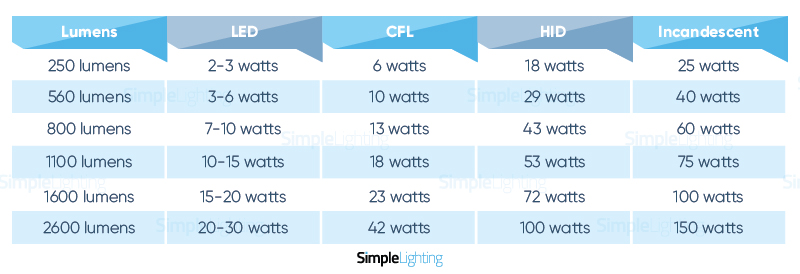
LED bulbs come in many lumen levels. A 450-lumen LED is like a 40-watt incandescent. A 800-lumen LED matches a 60-watt incandescent. Bright LEDs can reach over 1600 lumens, like a 100-watt incandescent. Knowing typical lumens helps you pick the right bulb for each room.
Comparing Led Brightness To Other Bulbs
Incandescent bulbs use more watts for the same brightness. CFL bulbs fall between LEDs and incandescents in efficiency. LEDs give more lumens per watt, saving energy. You get brighter light with less power using LEDs. This makes LEDs better for saving money and the environment.
Energy Efficiency Insights
Understanding energy efficiency helps you choose better lighting. It reduces electricity bills and lowers environmental impact. Lumens and watts play different roles in this.
Lumens measure brightness. Watts measure power used. Knowing the difference guides smarter lighting choices.
Watts And Energy Consumption
Watts show how much electricity a bulb uses per hour. Lower watt means less energy consumed. LED bulbs use fewer watts than old bulbs for the same light.
Choosing bulbs with low watt ratings saves energy. It also cuts your electricity costs over time.
Leds Vs Traditional Bulbs
LED bulbs use 75% less energy than incandescent bulbs. They last up to 25 times longer. This means fewer replacements and less waste.
Traditional bulbs convert most energy to heat, not light. LEDs convert more energy into visible light. This makes them more efficient and cooler to touch.
Calculating Energy Savings
Compare wattages to find savings. Example: A 10-watt LED equals a 60-watt incandescent bulb. Using LEDs cuts energy use by about 83%.
Calculate savings by multiplying watts saved by hours used. Then multiply by your electricity rate. This shows how much money you save monthly and yearly.
Choosing The Right Led Bulb
Choosing the right LED bulb is important for good lighting and saving energy. Understanding lumens and watts helps you pick bulbs that fit your needs. Lumens show how bright the bulb is, while watts tell how much energy it uses. This guide helps you find the best LED bulb for each room in your home.
Matching Lumens To Room Needs
Each room needs different brightness levels. For small rooms, 800 lumens can be enough. Larger rooms may require 1600 lumens or more. Use higher lumens in kitchens and workspaces. Lower lumens work well for bedrooms and living rooms. Choose lumens based on how much light you want.
Considering Wattage For Cost
Wattage affects your electricity bill. LED bulbs use fewer watts than old bulbs. For example, a 10-watt LED can replace a 60-watt incandescent bulb. Lower wattage means less energy use and lower bills. Check wattage to balance brightness and energy costs.
Color Temperature And Brightness
Color temperature changes how light looks. Warm light (2700K) feels cozy and soft. Cool light (5000K) is bright and clear, good for work areas. Choose color temperature to fit the room’s mood and use. Brightness and color temperature together create the perfect lighting.
Common Misconceptions
Many people confuse watts with brightness when choosing LED bulbs. This common misunderstanding leads to poor lighting choices and wasted energy. Watts only measure energy use, not light output. Lumens indicate how bright a bulb actually shines. Clearing up these misconceptions helps pick the right LED for your needs. Understanding the difference improves energy savings and lighting quality.
Watts As Brightness Indicator
Watts show how much power a bulb consumes. They do not measure brightness or light output. High wattage means more energy use, not always more light. Older bulbs like incandescent used watts as a rough brightness guide. LEDs use far less power for the same brightness, so watts alone mislead buyers.
Why Lower Watts Don’t Mean Dimmer
LEDs use technology that converts energy efficiently into light. A 10-watt LED can produce the same brightness as a 60-watt incandescent bulb. Lower watts mean less energy used, but brightness stays high. Choosing LEDs by watts alone may cause you to pick a bulb that is too dim or too bright.
Understanding Lumen-watt Conversion
Lumens measure the total light output a bulb gives off. Watts measure the power it consumes. The lumen-to-watt ratio shows how efficiently a bulb converts power into light. A higher ratio means better efficiency. For LEDs, expect 80 to 100 lumens per watt. This helps compare bulbs fairly and select the best lighting option.
Conversion Charts And Tools
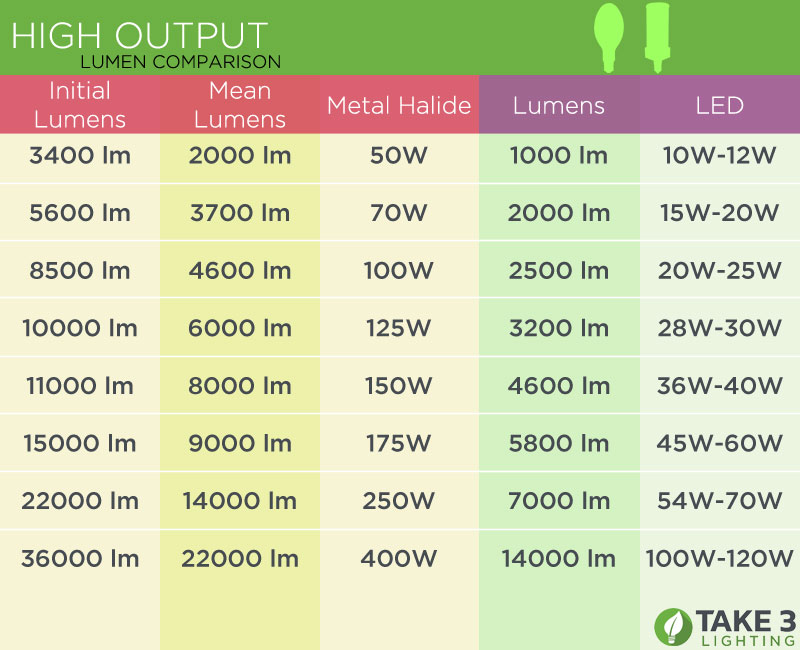
Understanding how to convert lumens to watts is vital when choosing LED bulbs. Conversion charts and tools simplify this task. They help you pick bulbs that match your brightness and energy needs. These resources make comparing bulbs easy and quick. Let’s explore useful methods to convert lumens to watts effectively.
Lumens To Watts Comparison
Lumens measure light brightness. Watts measure energy use. LEDs use fewer watts for the same lumens than old bulbs. Conversion charts show typical lumen-to-watt ratios. For example, a 60-watt incandescent bulb equals about 800 lumens. A 10 to 12 watt LED can produce the same brightness. Charts help you find equivalent bulbs without guesswork.
Using Online Calculators
Online calculators convert lumens to watts instantly. Enter the number of lumens or watts you want. The calculator gives you the matching value for LED bulbs. These tools save time and avoid confusion. Many websites offer free, easy-to-use calculators. They often include tips to choose the best LED bulbs for your needs.
Reading Packaging Labels
LED packaging shows lumens and watts clearly. Look for the lumen number to know brightness. The watt number tells you energy use. Some labels also show the incandescent watt equivalent. This helps you switch bulbs with confidence. Always check labels to compare products accurately before buying.
Practical Tips For Buyers
Choosing the right LED bulb can be confusing. Understanding lumens and watts helps make better choices. Lumens tell you how bright the bulb is. Watts show how much energy the bulb uses. This section gives practical tips to buy LEDs that fit your needs and save energy.
Shopping Checklist
- Check the lumen output to match your brightness needs.
- Look for lower wattage for better energy savings.
- Consider the color temperature for the room’s mood.
- Verify the bulb base fits your fixture.
- Read the packaging for lifespan and warranty info.
Identifying Quality Leds
High-quality LEDs last longer and perform better. Look for trusted brands with good reviews. Check if the bulb has certifications like ENERGY STAR. Avoid very cheap bulbs as they may flicker or burn out fast. Quality LEDs provide steady, clear light without buzzing sounds.
Balancing Brightness And Efficiency
Choose bulbs with high lumens and low watts for efficiency. This balance means more light with less power use. For example, a 10-watt LED can produce the same brightness as a 60-watt incandescent bulb. This saves money on electricity bills. Focus on lumens to get the brightness you want while keeping energy use low.
Frequently Asked Questions
How Many Led Lumens Equal 100 Watts?
A 100-watt incandescent bulb produces about 1600 lumens. An LED bulb needs roughly 15-20 watts to match that brightness.
No, 800 lumens is not the same as 60 watts. Lumens measure brightness, watts measure energy use. A 60-watt incandescent bulb produces about 800 lumens, but LED bulbs use fewer watts to produce the same brightness.
How Many Watts Is A 200 Lumen Led Bulb?
A 200 lumen LED bulb typically uses about 2 to 4 watts of power, depending on efficiency.
How Many Watts Is A 5000 Lumen Led Light?
A 5000 lumen LED light typically uses about 40 to 50 watts, depending on efficiency. LEDs produce more light with less energy.
Conclusion
Choosing the right LED bulb means focusing on lumens, not watts. Lumens show how bright the light will be. Watts only tell how much energy the bulb uses. Lower watts with higher lumens mean better energy savings. This helps save money and reduce power use.
Next time you shop, check the lumens first. Brightness matters more than energy use alone. Understanding this can make your lighting choices smarter. Keep it simple: bright light with low energy is best.