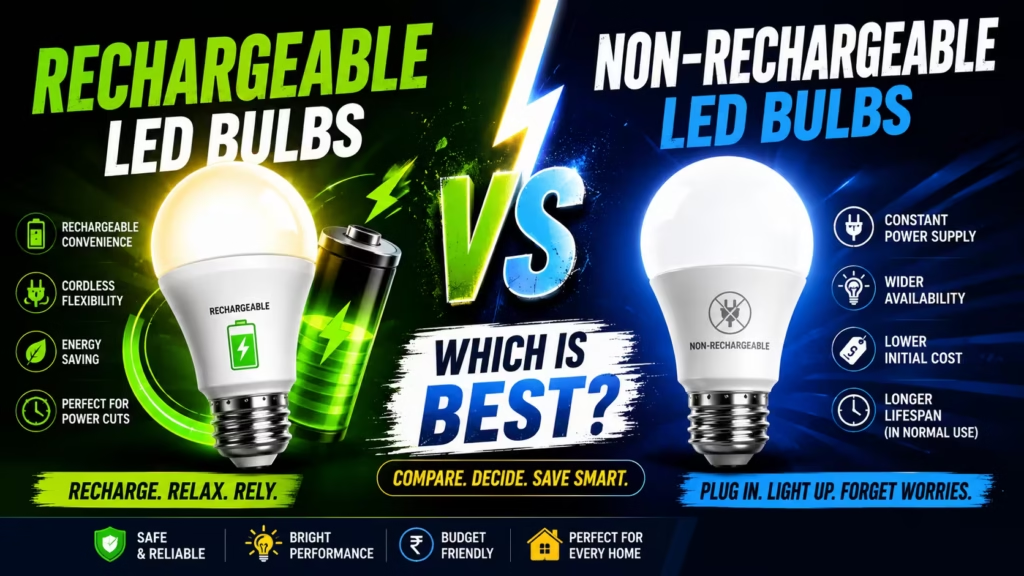
LED bulbs have transformed how we light our homes, offices, and outdoor spaces. Their energy efficiency, long lifespan, and bright illumination make them a top choice over old incandescent bulbs. But today, a new choice is facing buyers: rechargeable vs non-rechargeable LED bulbs. Both options look similar and promise good performance, but the differences can matter a lot in daily use. If you want to understand which type of LED bulb is best for you, this article will guide you through every important detail, from how they work to the hidden costs and best use cases.
Whether you want a bulb for regular lighting, backup during power outages, or something to save on energy bills, knowing these differences will help you buy smarter. Let’s break down the facts, clear up common myths, and give you the confidence to choose the right LED bulbs for your needs.
What Are Rechargeable Led Bulbs?
Rechargeable LED bulbs are a modern solution for lighting that works even when the power goes out. They look like normal LED bulbs, but inside, they have a small rechargeable battery. This battery charges when the bulb is connected to electricity. If there’s a power cut, the bulb automatically switches to battery power and keeps shining for several hours.
Key Features
- Built-in battery: Stores energy for use during power failures.
- Dual-use: Can work as a regular bulb and as an emergency light.
- Automatic switch: Changes to battery mode instantly when the power goes out.
- Portable: Some models can be unscrewed and used as a flashlight.
Typical Uses
Rechargeable LED bulbs are popular in areas with frequent power outages. They are also used in emergency kits, for camping, and in places where backup lighting is crucial—like stairways, hospitals, or offices.
How Long Do They Last?
The battery inside usually powers the bulb for 3 to 6 hours when fully charged, depending on the brightness setting and battery size. The LED itself can last 15,000 to 30,000 hours, but the battery’s life is often 500 to 1,000 charge cycles.
What Are Non-rechargeable Led Bulbs?
Non-rechargeable LED bulbs are the traditional type most people use every day. They do not have a battery. Instead, they run only when there is power supplied from the grid or a generator.
Key Features
- No internal battery: Works only when connected to power.
- Long lifespan: Often lasts 15,000 to 50,000 hours.
- Simple design: Fewer parts, usually more affordable.
- Wide variety: Available in many shapes, brightness levels, and sizes.
Typical Uses
You’ll find these bulbs in almost every home, office, and public place. They are used for general lighting, reading lamps, outdoor lights, and more. They are not suitable for emergency lighting during power cuts unless paired with a separate backup system.
How Do They Work? The Technology Inside
Understanding the basic technology helps explain why these bulbs behave differently.
Rechargeable Led Bulbs
- LED chip produces light when powered.
- Battery stores energy while the bulb is on and charges from the main supply.
- Circuit board manages switching between main power and battery automatically.
- Charging controller ensures the battery does not overcharge.
Non-rechargeable Led Bulbs
- LED chip produces light.
- Driver circuit converts main power (AC) to the right voltage for the LED.
- No battery or extra circuitry for backup.
The main difference is the presence of a battery and extra electronics in rechargeable models.
Comparing Brightness And Lighting Quality
Many buyers wonder if rechargeable bulbs are less bright or look different than non-rechargeable models. The answer depends on the battery size and LED type.
- Brightness: Both types can be equally bright when connected to main power. Most rechargeable bulbs offer 7W–12W, similar to non-rechargeable LED bulbs.
- On battery mode: Rechargeable bulbs may reduce brightness to extend battery life. For example, a 9W bulb on main power may drop to 6W on battery.
- Color temperature: Both types come in warm white (2700K–3000K), cool white (4000K–5000K), and daylight (6000K+).
- Flicker: Good brands avoid flicker, but very cheap rechargeable bulbs may flicker in battery mode due to weak circuits.
Tip: Always check the lumens (brightness rating) on the package. For most rooms, 800–1000 lumens is enough for general lighting.

Energy Efficiency And Power Consumption
LED bulbs are famous for saving energy. But what about the rechargeable models?
- Non-rechargeable LEDs use about 80% less energy than old bulbs. A 9W LED can replace a 60W incandescent bulb.
- Rechargeable LEDs are also efficient, but the battery and charging circuit may waste a bit more energy as heat.
- Self-discharge: Rechargeable batteries lose a little charge over time, even when not in use.
The extra energy used by rechargeable models is very small—usually just a few percent more over a year. For most people, this difference is not noticeable on the electricity bill.
Installation And Compatibility
Both types are designed to fit standard lamp sockets (like E27, B22, etc.). But there are a few things to watch for:
- Rechargeable bulbs may be a bit heavier due to the battery inside.
- Some rechargeable models are slightly longer, so they may not fit in very small or enclosed fixtures.
- No special wiring is needed—just screw in and use.
Pro tip: If you use dimmer switches, check if the LED bulb is “dimmable.” Many rechargeable bulbs are not compatible with dimmers.
Lifespan And Durability
Led Lifespan
- Non-rechargeable LED bulbs usually last 15,000 to 50,000 hours.
- Rechargeable LED bulbs last 15,000 to 30,000 hours for the LED part, but the battery may wear out sooner.
Battery Lifespan
Most rechargeable bulbs use a lithium-ion battery, which lasts about 500–1,000 full charging cycles. If you have frequent power cuts, the battery may need replacement after 2–3 years. In normal use, with few outages, the battery may last longer.
Durability
- Non-rechargeable bulbs have fewer parts, so there’s less chance of failure.
- Rechargeable bulbs can be more delicate if dropped because of the battery and extra electronics.
Cost: Upfront And Over Time
Initial Price
- Rechargeable LED bulbs cost more, usually 2 to 3 times the price of non-rechargeable models.
- A quality non-rechargeable 9W LED might cost $3–$5, while a rechargeable version can be $8–$15.
Operating Cost
- Both types are very cheap to run—just pennies per month.
- The battery in rechargeable bulbs may need replacing after a few years, adding extra cost.
Hidden Costs
- Replacement batteries can be hard to find or expensive for some brands.
- Cheaper rechargeable bulbs may not last long, needing full replacement.
Safety Considerations
Fire And Electrical Safety
- Both types are much safer than old incandescent bulbs.
- Rechargeable LEDs have extra circuits and a battery. Poor-quality models can overheat or fail if the battery is faulty.
- Always buy bulbs with safety certifications (such as UL, CE, or BIS).
Disposal And Environment
- Non-rechargeable LED bulbs are mainly electronic waste but have no battery.
- Rechargeable bulbs need proper disposal because the battery can be harmful to the environment.
- Many cities have e-waste recycling programs. Don’t throw rechargeable bulbs in regular trash.
Use Cases: Where Each Type Shines
When To Choose Rechargeable Led Bulbs
- You live in an area with regular power outages.
- You want backup lighting without separate emergency lights.
- You need portable lighting for camping, garages, or outdoor activities.
- You want a simple emergency solution for elderly family members.
For more on this, see this resource on the best emergency LED bulbs with battery backup.
When To Choose Non-rechargeable Led Bulbs
- You have stable electricity and rarely lose power.
- You want maximum lifespan and lowest cost.
- You need bulbs for hard-to-reach places where changing is difficult.
- You want to use dimmer switches or special fixtures.
Comparing Performance: Real-world Examples
Let’s see how the two types perform side by side in real-life situations.
| Feature | Rechargeable LED Bulb | Non-Rechargeable LED Bulb |
|---|---|---|
| Works During Power Outage | Yes (battery backup) | No |
| Upfront Cost | Higher | Lower |
| Average Lifespan | 15,000–30,000 hours (LED) | 15,000–50,000 hours |
| Battery Replacement Needed | Yes (after 2–3 years) | No |
| Weight | Heavier | Lighter |
| Environmental Disposal | Needs e-waste recycling | Standard recycling |
Pros And Cons: Side-by-side
It helps to see the advantages and disadvantages clearly.
Pros Of Rechargeable Led Bulbs
- Emergency lighting: Keeps working when the power is out.
- Portable: Can be used as a torch or carried around.
- Convenient: No need for extra emergency lights.
- Dual use: Works as a regular bulb too.
Cons Of Rechargeable Led Bulbs
- Higher price: Costs more than regular bulbs.
- Battery replacement: May need new battery after a few years.
- Shorter lifespan: Battery usually fails before the LED does.
- Heavier: May not fit all fixtures.
Pros Of Non-rechargeable Led Bulbs
- Lower cost: Cheaper to buy.
- Longer lifespan: No battery to wear out.
- Lightweight: Fits all fixtures.
- Reliable: Fewer parts to fail.
Cons Of Non-rechargeable Led Bulbs
- No backup: Won’t work during power outages.
- Less versatile: Not portable or usable as a torch.
Environmental Impact
LED bulbs, in general, are good for the environment because they use less energy and last longer. But there are a few extra points to consider:
- Rechargeable LEDs contain batteries, which can pollute if not disposed of correctly.
- Non-rechargeable LEDs are simpler to recycle, with less environmental risk.
If you care about eco-friendly options, check if your city has battery recycling programs. Some brands also offer take-back or recycling for used bulbs.
Common Myths And Misconceptions
Even experienced buyers sometimes believe things that aren’t true. Let’s clear up a few myths:
1. Rechargeable Bulbs Always Last Longer.
Not true. The LED part may last long, but the battery often fails first.
2. Non-rechargeable Bulbs Are Always Brighter.
Not always. Brightness depends on the wattage and brand, not the battery.
3. Rechargeable Bulbs Need Special Sockets.
False. They fit standard sockets, just like regular bulbs.
4. Batteries In Rechargeable Bulbs Explode Easily.
Very rare, especially with quality brands and proper use.
Maintenance And Care Tips
You can extend the life of both types with simple habits.
For Rechargeable Led Bulbs
- Use regularly: Don’t leave them unused for months—the battery can weaken.
- Avoid overcharging: Modern bulbs have protection, but avoid leaving them on 24/7.
- Store in cool, dry place: Heat kills batteries faster.
- Test battery mode: Check every few months to ensure the backup works.
For Non-rechargeable Led Bulbs
- Keep clean: Dust can block light and make bulbs run hotter.
- Avoid power surges: Use surge protectors where possible.
- Don’t use in closed fixtures unless the bulb is rated for it—excess heat can shorten lifespan.
Real-world User Experiences
People often share their stories online, which reveal things you won’t find in product brochures.
- Urban users often pick non-rechargeable LEDs because power cuts are rare, and they want the longest-lasting bulbs.
- Rural families with unstable electricity rely on rechargeable bulbs to help children study at night or do chores when the grid fails.
- Business owners sometimes use a mix: Non-rechargeable for main lighting, rechargeable as backup in key areas.
Some users notice that cheaper rechargeable bulbs can fail quickly, especially if the battery is low quality or the circuit is poorly designed. Spending a bit more on a good brand pays off in the long run.
Hidden Insights Most Buyers Miss
Let’s look at a few facts many beginners overlook:
1. Battery Capacity Matters More Than Wattage.
Two 9W rechargeable bulbs can have very different backup times based on battery size. Always check the mAh rating.
2. Some Rechargeable Bulbs Work With Switches, Others Don’t.
If your switch cuts both live and neutral wires, the bulb might not charge properly. Ask for details before buying.
3. Not All Rechargeable Bulbs Are Suitable For Outdoor Use.
Rain and heat can damage the battery faster. Choose models rated for outdoor use if needed.
4. Leds Degrade Slowly, But Batteries Can Die Suddenly.
The LED gets dimmer over years, but the battery may suddenly stop holding charge.
For detailed reviews and backup time comparisons, check this expert analysis at best emergency LED bulbs with battery backup.
How To Choose The Right Bulb For Your Needs
When picking between rechargeable and non-rechargeable LED bulbs, consider these factors:
- Power reliability: If you lose power often, rechargeable is a must.
- Budget: Non-rechargeable is best for saving money upfront.
- Fixture type: Make sure the bulb fits, especially for heavier rechargeable models.
- Backup duration: Check battery backup time if you pick rechargeable.
- Brand reputation: Avoid unknown brands for rechargeable LEDs—safety matters.
- Special features: Some rechargeable bulbs have motion sensors or color-changing modes.
Mistake to avoid: Don’t buy based only on wattage. Look at lumens, battery life, and customer reviews.
Future Trends In Led Bulbs
Technology is moving fast. Here’s what’s coming soon:
- Longer-lasting batteries: New battery types may double the backup time.
- Smart features: Wi-Fi and Bluetooth control for both bulb types.
- Better recycling: More companies will offer recycling and take-back for batteries.
- Hybrid bulbs: Some models can run on solar power or USB charging.
As energy storage improves, expect rechargeable LED bulbs to become more common and affordable.
Top Brands And Where To Buy
Some of the most trusted brands include Philips, Syska, Havells, Wipro, Bajaj, and Osram. These brands offer both rechargeable and non-rechargeable LED bulbs, often with a warranty.
- Physical stores: Home improvement shops, electrical stores.
- Online: Amazon, Flipkart, company websites.
Always check for genuine products, as counterfeit bulbs can be unsafe.

Practical Buying Checklist
Before buying, ask yourself:
- Do I need backup lighting during outages?
- Is the bulb compatible with my fixtures?
- How long does the battery last on backup?
- Is the bulb certified for safety?
- What is the warranty period?
- Are replacement batteries available?
For more guidance on picking the right emergency bulb, see this helpful resource: best emergency LED bulbs with battery backup.
Warranty And After-sales Support
- Rechargeable bulbs may have a shorter warranty, especially for the battery part.
- Non-rechargeable bulbs often come with 1–3 year warranties.
- Keep your bill and warranty card for easy replacement.
Some brands offer customer support and service centers. If you have trouble with a rechargeable bulb, check if the battery can be replaced instead of buying a new bulb.
A Quick Technical Comparison
Here is a direct technical summary for reference:
| Specification | Rechargeable LED Bulb | Non-Rechargeable LED Bulb |
|---|---|---|
| Power Source | Main + Battery | Main only |
| Backup Time | 3–6 hours (typical) | None |
| Weight | ~200g | ~60g |
| Price (9W, average) | $8–$15 | $3–$5 |
| Disposal | E-waste, battery recycling | Regular electronic waste |
Frequently Asked Questions
What Happens If I Leave A Rechargeable Led Bulb On All The Time?
Leaving a rechargeable LED bulb on all the time is safe, as most have built-in protection to stop overcharging. However, the battery may degrade faster if it’s never allowed to rest. It’s a good idea to let the bulb “exercise” its battery by using it during power cuts or turning it off sometimes.
Can I Use Rechargeable Led Bulbs Outdoors?
Some rechargeable LED bulbs are designed for outdoor use, but not all. If you want to use them outside, look for bulbs rated as water-resistant or weatherproof. Regular indoor models may get damaged by moisture or temperature changes.
How Do I Dispose Of A Rechargeable Led Bulb?
Do not throw rechargeable LED bulbs in the regular trash. The battery inside can harm the environment. Take the bulb to an e-waste recycling center or a store that collects old electronics. Some brands have take-back programs.
Are Rechargeable Led Bulbs Dimmable?
Most rechargeable LED bulbs are not dimmable because the battery and circuits are designed for steady output. If you need a dimmable bulb, check the packaging or product details carefully before buying.
Which Type Of Led Bulb Saves More Money In The Long Run?
If you have stable electricity, non-rechargeable LED bulbs are usually cheaper over time because they cost less and last longer. But if you have frequent power outages, rechargeable bulbs can save money by avoiding the need for extra emergency lights or candles.
Final Thoughts
Choosing between rechargeable and non-rechargeable LED bulbs depends on your unique needs and local power situation. Rechargeable bulbs offer peace of mind during blackouts and double as portable lights, but they cost more and need battery replacements. Non-rechargeable bulbs are simple, long-lasting, and cost-effective for everyday use where the power is reliable.
Think about how often you lose power, where you need light the most, and your budget. With this knowledge, you can light up your home smarter, save on bills, and avoid surprises when the lights go out. For anyone who needs a reliable backup, don’t forget to explore the best emergency LED bulbs with battery backup options, and always buy from trusted brands for safety and quality. If you want more technical details, visit the LED lamp Wikipedia page for in-depth science and history.
