
Solar Led Lights Vs Electric Leds: A Complete Guide
Lighting has changed a lot in recent years. Two types that lead the way are solar LED lights and electric LED lights. But which is better for your home, garden, or business? Many people think they are the same, but they work very differently. Making the right choice can save money, help the environment, and make your space look better. In this guide, you’ll learn all the differences, benefits, drawbacks, and practical tips for both types.
What Are Solar Led Lights?
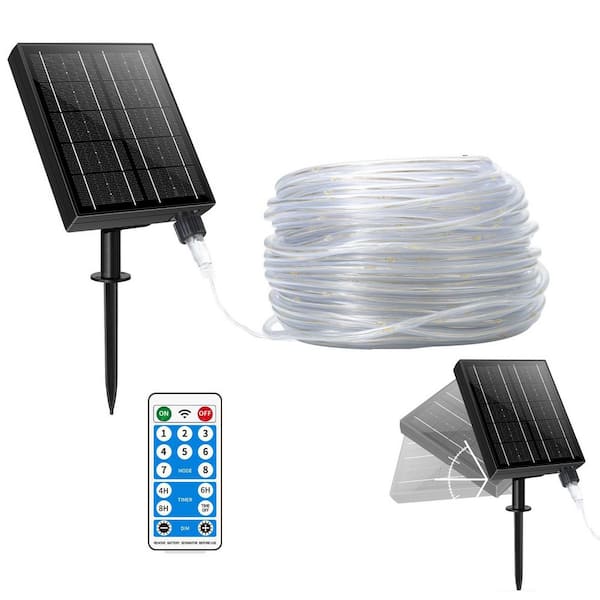
Solar LED lights use sunlight to make power. They have a small solar panel—usually on top of the lamp—that collects sunlight during the day. This energy goes into a rechargeable battery inside the light. When night comes, the battery sends power to the LED bulb, making it shine.
You can find solar LEDs in many forms: garden lights, street lamps, security lights, and even string lights for decoration. Their main benefit is that they work without any wires or connection to the electric grid.
What Are Electric Led Lights?
Electric LED lights are the classic LED bulbs most people know. They need to be plugged into your home’s electrical system or connected to a power outlet. These lights use the electricity from the main grid and turn it into light using an LED (light-emitting diode).
Electric LEDs come in thousands of shapes and sizes. You see them in everything from ceiling fixtures to desk lamps, streetlights, and even your TV’s backlight. They are known for being energy-efficient compared to old-style bulbs.

How Do Solar Leds Work?
Every solar LED light has three main parts:
- Solar Panel: This sits on top and absorbs sunlight. It changes sunlight into electricity using a process called the photovoltaic effect.
- Battery: Stores the energy made by the solar panel during the day.
- LED Bulb: The actual light source. At night, the battery sends power to the LED.
Some solar LEDs also have sensors. These can turn the light on automatically at sunset and off at sunrise. Most use lithium-ion batteries because they last longer and charge faster.
How Do Electric Leds Work?
Electric LEDs are simple in theory, but clever in design. Here’s what happens:
- Power Source: They connect to your home’s AC (alternating current) power or a direct DC (direct current) power source.
- Driver/Transformer: Converts the AC electricity to a form the LED can use.
- LED Chip: The chip emits light when electricity flows through it. This happens because of a process called electroluminescence.
Electric LEDs can be used almost anywhere—indoors or outdoors, for big or small projects—if there’s an electric connection.
Comparing Key Features
To make a smart choice, compare the most important features side by side. Here’s a helpful overview.
| Feature | Solar LED Lights | Electric LED Lights |
|---|---|---|
| Power Source | Sunlight (solar energy) | Electric grid (AC/DC) |
| Installation | Usually wireless, easy setup | Requires wiring, sometimes professional help |
| Operating Cost | Zero (after purchase) | Ongoing electricity cost |
| Maintenance | Battery & panel cleaning/replacement | Minimal; mainly bulb replacement |
| Performance in Bad Weather | Can be weak if little sunlight | Works in any weather if power is available |
| Lifespan | 5–10 years (batteries may need replacement sooner) | 10–25 years (bulb/fixture quality matters) |
Energy Efficiency And Cost
Solar Led Lights
Solar LEDs are extremely efficient because they use free sunlight. Once you buy the light, there are no running costs. The solar panel charges the battery during daylight, and the LEDs use very little energy. However, the battery’s storage size can limit how long the light stays bright at night.
Upfront costs for solar LEDs are higher than simple plug-in bulbs, but this is often balanced by zero electricity bills. For outdoor areas where running wires is expensive or hard, solar lights are often the cheaper choice in the long run.
Electric Led Lights
Electric LEDs are also very energy efficient—much more than traditional incandescent or halogen bulbs. They use up to 80% less electricity than old-style bulbs for the same amount of light. However, they still add to your monthly electricity bill.
The cost to buy electric LEDs is often lower than solar models, especially for indoor use. But for outdoor areas far from power, you may need to pay extra for wiring and installation.
Real-world Example
If you install 10 solar LED garden lights, you pay only the price of the lights, which can be $20–$40 each. For electric LEDs, you may pay $2–$10 per bulb, but you must also pay for cables, electric outlets, and possibly an electrician. Over five years, the solar lights have almost no extra cost, but the electric LEDs use grid power, which can add up.
Installation: Ease And Flexibility
Solar Led Lights
These are designed for easy DIY installation. Most models only need you to stick them in the ground or hang them up. No wiring, no digging, and no professional help. This makes them perfect for:
- Gardens
- Pathways
- Outdoor steps
- Remote areas
They are also great for renters or people who want to move lights around.
Electric Led Lights
Electric LEDs may be simple plug-in types or need wiring into your home’s electric system. For outdoor use, you often need weatherproof cables and outdoor outlets. Sometimes, you need an electrician, especially for hardwiring.
This is not always a drawback. If you need strong, always-on lighting, electric LEDs can be more reliable. But for flexible or temporary setups, solar LEDs are easier.
Light Quality And Brightness
Solar Led Lights
Most solar LEDs are not as bright as electric models. Their brightness depends on:
- Battery size
- Solar panel size
- How much sun the panel gets
For example, a common solar garden light gives 10–50 lumens, which is fine for path lighting but not enough for security or big areas. Newer models are brighter, but still have limits.
Electric Led Lights
Electric LEDs can be very bright. Even a small bulb can give 800–1600 lumens—as bright as a 60–100W old-style bulb. This makes them better for:
- Security lighting
- Large rooms
- Places that need strong light
You can also pick the color temperature (warm, cool, daylight) more easily with electric LEDs.
Key Data: Lumens Comparison
| Application | Typical Solar LED (Lumens) | Typical Electric LED (Lumens) |
|---|---|---|
| Path Lighting | 10–50 | 200–400 |
| Security Light | 100–1000 | 1000–5000 |
| Indoor Room | Rarely used | 800–3000 |
| Decorative String | 5–20 | 20–100 |
Environmental Impact
Solar Led Lights
These are seen as the greenest lighting option. They:
- Use the sun, a renewable resource
- Do not use grid electricity (often made from fossil fuels)
- Have low carbon footprint after installation
However, batteries in solar lights can be a problem. Most use lithium-ion or NiMH batteries, which may pollute if not recycled. The solar panels themselves also use some rare materials.
Electric Led Lights
Electric LEDs are much better for the environment than old bulbs. They use less power, so they help cut pollution. But they still use grid electricity, which often comes from non-renewable sources.
The good news: if your home uses solar panels or other green energy, electric LEDs can also be nearly carbon-free.
Durability And Weather Resistance
Solar Led Lights
Designed for outdoor use, most solar LEDs are waterproof and can handle rain, snow, and dust. However, they do have some weak points:
- Batteries can lose strength after 2–3 years
- Solar panels can get dirty or damaged
- Cheap models may crack in strong sunlight
Buying better-quality solar LEDs usually means longer life and less trouble.
Electric Led Lights
Indoor electric LEDs can last a very long time—up to 25,000–50,000 hours. Outdoor electric LEDs need special weatherproofing. If not protected, water or humidity can damage the wiring or bulbs.
High-quality fixtures with good seals last longer, but might cost more at first.
Maintenance Needs
Solar Led Lights
To keep them working well:
- Clean the solar panel every few months
- Change the battery every 2–4 years
- Make sure the light gets enough sun (trim plants if needed)
If you skip these steps, solar lights get dim or stop working.
Electric Led Lights
Usually, just change the bulb when it burns out. For outdoor lights, check for water leaks or rust. They need less hands-on care than solar models, but you must pay attention to power safety.
Where Each Type Works Best
Best Uses For Solar Led Lights
- Garden paths: Easy to install and move
- Remote areas: No wiring needed
- Temporary events: Parties, weddings, camping
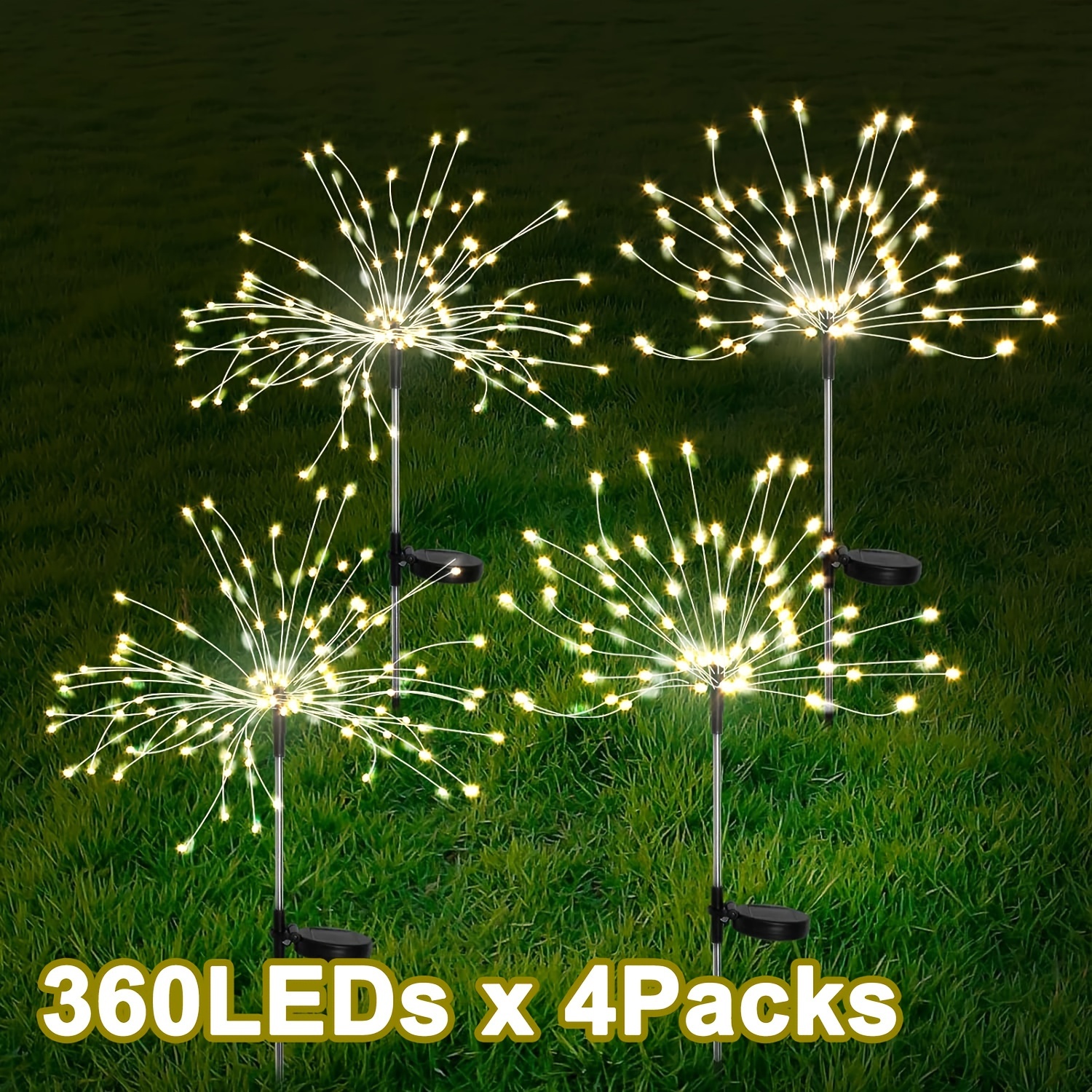
- Decorative lighting: Fairy lights, lanterns
Solar LEDs shine where running wires is hard or expensive, or where you want to avoid using grid power.
Best Uses For Electric Led Lights
- Home interiors: Bedrooms, kitchens, living rooms
- Security lighting: Strong, always-on lights
- Commercial spaces: Shops, offices, warehouses
- Large outdoor areas: Sports fields, parking lots
Electric LEDs are best where strong, steady light is needed or where power is always available.
Upfront Costs Vs Long-term Savings
It’s smart to look at both the purchase price and the total cost over time.
Solar Led Lights
- Higher upfront cost (usually $20–$100 per fixture)
- No electricity bills
- Occasional battery replacement ($5–$15)
- Installation is free (DIY)
Electric Led Lights
- Lower upfront cost ($2–$20 per bulb)
- Ongoing electricity cost (varies by country and bulb use)
- Professional installation can add $50–$200 per area
- Bulbs last a long time, so replacement is rare
Non-obvious insight: For some outdoor projects, the cost of digging trenches and running wires for electric LEDs can be much higher than the lights themselves. Solar LEDs avoid all this extra work.
Performance In Different Climates
Solar Led Lights
- Sunny climates: Work best, stay brightest, batteries last longer
- Cloudy/rainy climates: Can be dim or run out of power at night, especially in winter
- Cold climates: Some batteries lose charge faster in freezing weather
Electric Led Lights
- Work the same in any climate, as long as power is available
- Outdoor fixtures may need special seals in very wet or icy places
Non-obvious insight: Some newer solar LED lights have “hybrid” options—they can switch to grid power when sunlight is low. This gives the best of both worlds, but costs more.
Technology Trends And Smart Features
Lighting is getting smarter. Here’s how both types are changing.
Solar Led Lights
- Motion sensors: Only turn on when someone is near, saving battery
- Auto-dimming: Adjusts brightness to save energy
- Remote controls: Change settings without touching the light
- Hybrid power: Switches between solar and electric if needed
Electric Led Lights
- Smart bulbs: Control with your phone or voice (Google Home, Alexa)
- Color-changing: Set the mood with millions of colors
- Timers and schedules: Automatic on/off for security and savings
- Dimmable: Adjust brightness easily
Many smart features are now found in both types. For advanced options, electric LEDs have more choices.
Common Mistakes When Choosing
- Ignoring sunlight needs: Solar LEDs must get enough direct sun. Putting them in shade means weak light.
- Wrong brightness: Many people buy solar LEDs for security, then find they are not bright enough.
- Poor quality: Cheap solar lights often use weak panels and small batteries. They break or fade fast.
- Wrong fixture: Using indoor LEDs outside can cause quick failure.
- Overlooking maintenance: Solar lights need regular panel cleaning and battery checks.
How To Decide: Key Questions
Before you buy, ask yourself:
- Do I have enough sunlight in the area?
- Do I need bright, always-on light?
- Is it possible (or too expensive) to run wires?
- How much am I willing to spend upfront?
- Do I care about green energy and the environment?
- Will I remember to do simple maintenance?
If you want more guidance on choosing the best outdoor LEDs, check this useful guide: Best Outdoor LED Lights 2026.
Real-life Examples
Example 1: Garden Path
A homeowner wants to light a 20-meter garden path. Running wires would mean digging up the yard and paying for an electrician. Instead, they buy 10 solar LED path lights. Total cost: about $250. Installation takes one afternoon. No extra bills, and lights turn on automatically at dusk.
Example 2: Home Security
A family wants a bright, always-on light above their garage. A solar light is not bright enough, and the garage is shaded. They install an electric LED floodlight. It gives 2500 lumens, is motion-activated, and uses less than $10 in electricity per year.
Example 3: Commercial Parking Lot
A business needs to light a large outdoor parking lot. The area gets little sunlight and needs strong, steady light all night. They choose electric LED streetlights, connected to the grid. The upfront cost is higher, but the lighting is reliable and bright.
Pros And Cons Of Each Type
Solar Led Lights
Pros:
- No electricity bills
- Easy DIY installation
- Good for remote/outdoor use
- Eco-friendly
Cons:
- Dependent on sunlight
- Lower brightness
- Batteries need replacing
- Limited features compared to wired smart bulbs
Electric Led Lights
Pros:
- Always works if power is available
- High brightness
- More smart features
- Long lifespan
Cons:
- Needs wiring/installation
- Uses electricity (ongoing cost)
- Not as portable/flexible
- Not green unless grid is clean energy
Where To Buy Quality Lights
When buying, look for:
- Trusted brands (Philips, Osram, Ring, etc.)
- Warranty (1–5 years is good)
- Customer reviews
- Weatherproof ratings (IP65 or higher for outdoor use)
Avoid very cheap, no-name brands. They often use low-quality batteries or panels.
Frequently Asked Questions
What Happens To Solar Led Lights On Cloudy Days?
Solar LEDs still work on cloudy days, but they collect less sunlight. This means they might be dimmer at night or not last as long. Some high-quality models have bigger panels or better batteries to help with this problem.
Can I Use Electric Led Bulbs In A Solar Fixture?
Usually, no. Solar fixtures use special low-voltage bulbs and have built-in batteries. Standard electric LED bulbs need higher voltage and a steady power source from the grid.
How Long Do Solar Led Lights Last?
The LED bulbs can last 10 years or more. However, the battery may need replacement every 2–4 years. The solar panel itself often lasts 10–15 years if cared for.
Are Solar Led Lights Safe In Wet Weather?
Most outdoor solar LEDs are waterproof, but it’s important to check the rating (look for IP65 or higher). You should also make sure the panels and batteries are sealed properly.
Are Electric Leds Better For Indoor Use?
Yes. Electric LEDs are better for indoor use because you always have power, can control brightness, and have more fixture choices. Solar LEDs are rarely used indoors because they need sunlight to work well.
Making The Best Choice For Your Needs
Solar LED lights and electric LEDs both have a strong place in modern lighting. Solar LEDs are perfect for outdoor spots where wiring is hard, and for people who want green energy with no extra cost. Electric LEDs shine indoors, in security lighting, and where you need strong, steady light.
The decision comes down to your own needs, budget, and how much sunlight you get. With this guide, you can choose confidently—and light your world the smart way.
For more details and the latest research on lighting technology, visit Wikipedia’s LED page.
